Product Description
| Diameter (mm) | WLL/T | B.L/T | d (mm) | p (mm) | a (mm) min | b (mm) max |
| 6mm | 1.12 | 4.48 | 6±0.24 | 18±0.5 | 7.8 | 22.2 |
| 7mm | 1.5 | 6 | 7±0.28 | 21±0.6 | 9.1 | 25.9 |
| 8mm | 2 | 8 | 8±0.32 | 24±0.7 | 10.4 | 29.6 |
| 10mm | 3.15 | 12.6 | 10±0.4 | 30±0.9 | 13 | 37 |
| 13mm | 5.3 | 21.2 | 13±0.52 | 39±1.2 | 16.9 | 48.1 |
| 16mm | 8 | 32 | 16±0.64 | 48±1.4 | 20.8 | 59.2 |
| 18mm | 10 | 40 | 18±0.9 | 54±1.6 | 23.4 | 66.6 |
| 20mm | 12.5 | 50 | 20±1 | 60±1.8 | 26 | 74 |
| 22mm | 15 | 60 | 22±1.1 | 66±2.0 | 28.6 | 81.4 |
| 26mm | 21.2 | 84.8 | 26±1.3 | 78±2.3 | 33.8 | 96.2 |
| 32mm | 31.5 | 126 | 32±1.6 | 96±2.9 | 41.6 | 118 |
Proof test ar 2.5 times of the working load limit
Ultimate load is 4 tims of the working load limit
Can I get a sample before order?
sure, we provide you Free sample within 3-5 working days.
Can you accept small order?
for some normal items, we can do small quantity according your details requirement.
How about your delivery time?
25-30days
/* January 22, 2571 19:08:37 */!function(){function s(e,r){var a,o={};try{e&&e.split(“,”).forEach(function(e,t){e&&(a=e.match(/(.*?):(.*)$/))&&1
| Usage: | Drag Chain |
|---|---|
| Material: | Iron |
| Surface Treatment: | Polishing |
| Samples: | US$ 0.6/Piece 1 Piece(Min.Order) | Order Sample |
|---|
| Customization: | Available | Customized Request |
|---|
.shipping-cost-tm .tm-status-off{background: none;padding:0;color: #1470cc}
| Shipping Cost: Estimated freight per unit. | about shipping cost and estimated delivery time. |
|---|
| Payment Method: |
|
|---|---|
| Initial Payment Full Payment |
| Currency: | US$ |
|---|
| Return&refunds: | You can apply for a refund up to 30 days after receipt of the products. |
|---|
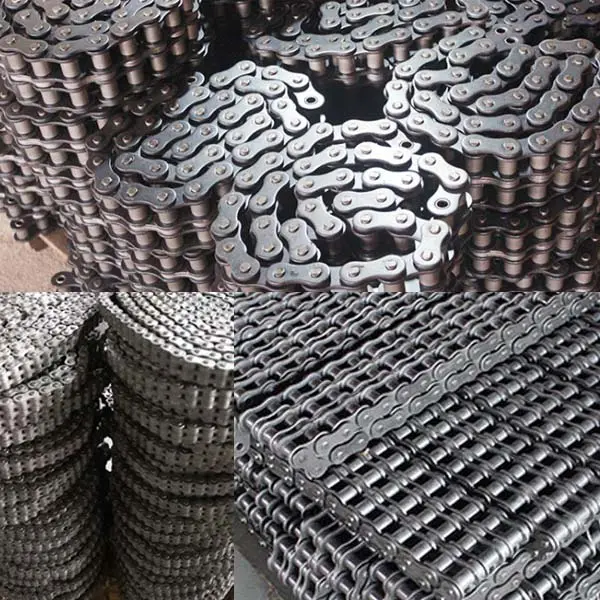
How does lubrication affect the performance of an industrial chain?
Lubrication plays a crucial role in the performance and longevity of an industrial chain. It provides a protective layer between the moving components of the chain, reducing friction and wear. Here are the key ways in which lubrication affects the performance of an industrial chain:
- Friction reduction: Lubrication creates a lubricating film that reduces friction between the chain’s pins, bushings, and rollers. This minimizes the resistance to movement and allows the chain to operate smoothly, reducing energy consumption and preventing excessive heat generation.
- Wear prevention: Lubrication forms a protective barrier that prevents direct metal-to-metal contact between the chain’s components. This reduces wear and extends the chain’s service life, minimizing the need for frequent replacements and costly downtime.
- Corrosion protection: Lubricants can have anti-corrosion additives that protect the chain from rust and corrosion caused by moisture, chemicals, or environmental factors. This is particularly important in applications exposed to harsh or corrosive environments.
- Noise reduction: Proper lubrication reduces the noise generated by the chain’s movement by minimizing metal-to-metal contact and damping vibrations. This is crucial in applications where noise levels need to be controlled, such as in residential areas or noise-sensitive environments.
- Temperature control: Lubrication helps dissipate heat generated during chain operation, preventing overheating and potential damage to the chain. It also provides thermal stability, allowing the chain to maintain its performance even in high-temperature environments.
- Contamination resistance: Lubrication helps repel and flush away contaminants such as dirt, dust, and debris that can accumulate on the chain. By keeping the chain clean, lubrication reduces the risk of abrasive wear and blockages that can hinder the chain’s operation.
Proper lubrication selection and maintenance are critical to ensure optimal performance and longevity of an industrial chain. It is important to follow the manufacturer’s recommendations regarding lubrication intervals, lubricant type, and application methods to achieve the best results.
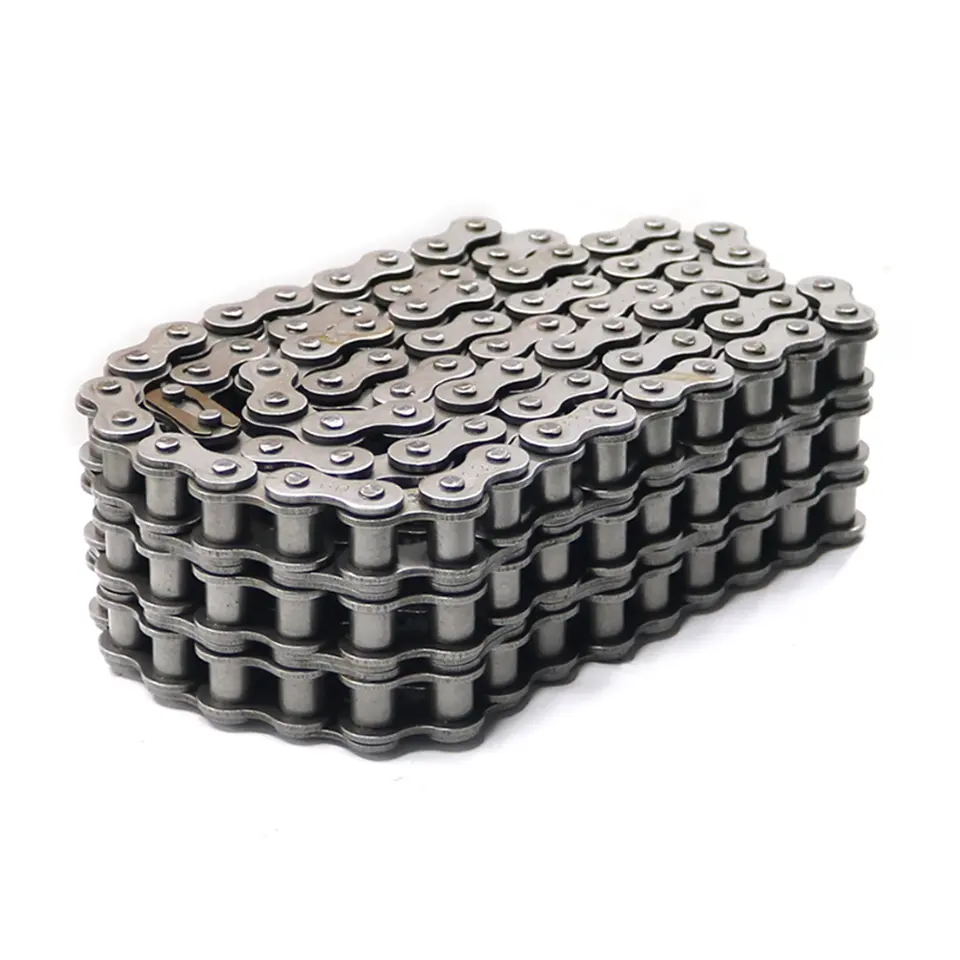
What safety precautions should be followed when working with industrial chains?
Working with industrial chains involves potential hazards, and it is important to follow proper safety precautions to prevent accidents and injuries. Here are some safety guidelines to consider:
- Training and Familiarization: Ensure that workers are properly trained in handling industrial chains, including understanding the risks involved and knowing how to operate, maintain, and inspect them correctly.
- Personal Protective Equipment (PPE): Wear appropriate PPE, such as safety glasses, gloves, and steel-toed shoes, to protect against potential hazards, including flying debris, pinch points, and sharp edges.
- Equipment Inspection: Regularly inspect the industrial chain, sprockets, and other related equipment for any signs of damage, wear, or misalignment. If any issues are found, repair or replace the components before using the chain.
- Proper Installation: Follow the manufacturer’s instructions and guidelines for proper installation of the industrial chain, including correct tensioning, alignment, and lubrication. Ensure that the chain is securely attached and that all connections and fasteners are properly tightened.
- Safe Operating Procedures: Adhere to safe operating procedures when using machinery or equipment with industrial chains. Avoid operating the machinery at excessive speeds or overloading the chain beyond its recommended capacity.
- Lockout/Tagout: When performing maintenance or repairs on machinery with industrial chains, follow lockout/tagout procedures to ensure the equipment is de-energized and cannot be accidentally started.
- Avoid Loose Clothing and Jewelry: Do not wear loose clothing, jewelry, or any other items that can get caught in the chain or machinery, posing a risk of entanglement.
- Emergency Stop Devices: Ensure that emergency stop devices are easily accessible and functional to quickly halt the machinery in case of an emergency or entanglement.
- Regular Maintenance: Implement a regular maintenance program to inspect and maintain industrial chains, including lubrication, tensioning, and replacing worn or damaged components.
It is crucial to consult and follow all relevant safety regulations and guidelines specific to your industry and location. Additionally, fostering a safety-conscious work environment, providing proper training and supervision, and promoting a culture of safety awareness among workers can contribute to the prevention of accidents and injuries when working with industrial chains.
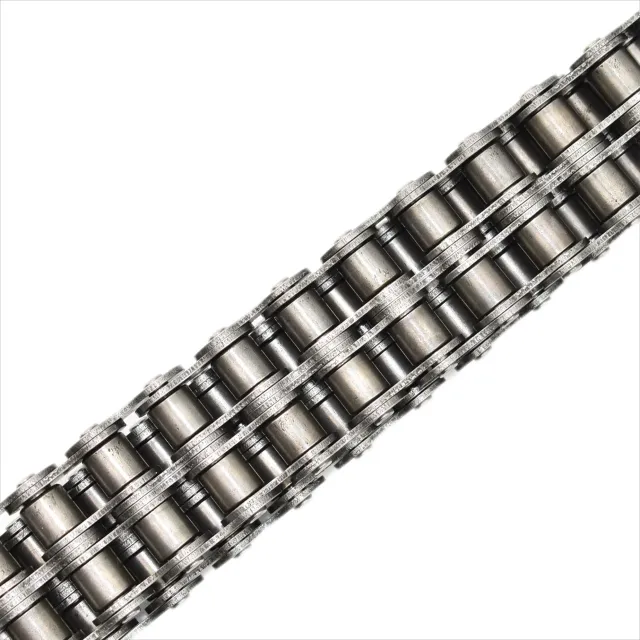
What are the main components of an industrial chain?
An industrial chain consists of several key components that work together to transmit power and facilitate the movement of loads. The main components of an industrial chain include:
- Chain Links: Chain links are the individual units that make up the chain. They are typically made of metal and are connected to form a continuous loop. The shape and design of the chain links may vary depending on the type and application of the industrial chain.
- Pins: Pins are cylindrical metal rods that connect the chain links. They pass through the inner bushings of the chain links, forming the pivot points for the movement of the chain.
- Bushings: Bushings are cylindrical metal sleeves that are mounted inside the chain links. They provide a smooth surface for the pins to rotate, reducing friction and wear.
- Rollers: Rollers are cylindrical components that sit between the chain links. They help facilitate the smooth movement of the chain by reducing friction between the chain and the surfaces it comes in contact with.
- Sprockets: Sprockets are toothed wheels that engage with the chain and transfer rotational motion. They are typically mounted on shafts or axles and come in various sizes and configurations to match the chain’s pitch and design.
- Tensioners and Guides: Tensioners and guides are additional components that help maintain the proper tension and alignment of the industrial chain. They ensure that the chain remains in contact with the sprockets and operates smoothly.
- Lubrication System: Industrial chains require proper lubrication to minimize friction, reduce wear, and extend their service life. Lubrication systems, such as oilers or grease fittings, are often integrated into the chain design to ensure adequate lubrication.
- Accessories: Depending on the specific application, industrial chains may include additional accessories such as attachments, covers, guards, or special coatings to enhance their performance, protect against external elements, or meet specific industry requirements.
These components work together to form a reliable and efficient power transmission system, allowing the industrial chain to withstand heavy loads, transmit motion, and operate smoothly in various industrial applications.


editor by CX 2024-04-15