Product Description
Product Description
| specification | unit price |
| 6mm | 0.8 |
| 7.1mm | 1.15 |
| 8mm | 1.3 |
| 9.1mm | 1.65 |
| 10mm | 1.85 |
| 12mm | 2.65 |
| 13mm | 3.25 |
| 14mm | 3.55 |
| 16mm | 4.8 |
| 18mm | 6.65 |
| 20mm | 9.45 |
| 22mm | 12.1 |
| 26mm | 27.4 |
| 32 | 50.8 |
| 34mm | 55.4 |
| 38mm | 64.2 |
Chain is generally a metal chain or ring, mostly used for mechanical transmission and traction. A chain used to obstruct a passage of traffic, such as in a street, at the entrance to a river or harbor, and a mechanically activated chain1, the chain includes 4 series: transmission chain; Conveyor chain; Drag chain; Special specialty chain
(2) A series of links or rings, often of metal: chains used to obstruct the passage of traffic (e.g. in a street, at the entrance to a river or harbour); A chain used by a mechanical upload;
3, the chain can be divided into short pitch precision roller chain; Short-pitch precision roller chain; Curved plate roller chain for heavy duty transmission; Cement machinery chain, plate chain; High strength chain.
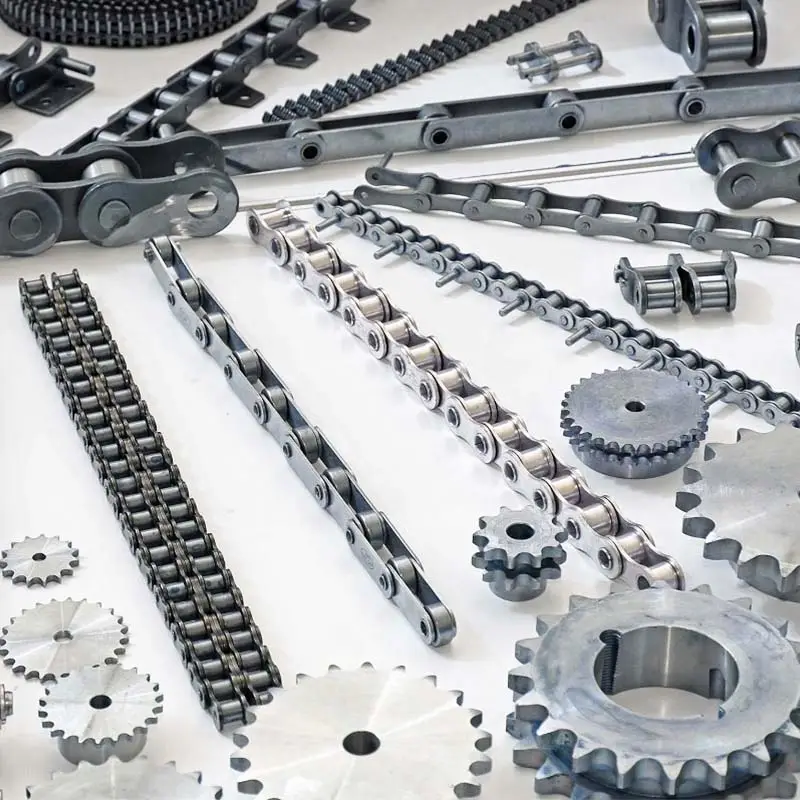
In similar products, according to the basic structure of the chain, that is, according to the shape of the component, the parts and parts meshing with the chain, the size proportion between the parts, etc. There are many types of chains, but their basic structure is only the following, and the others are all variations of these. We can see from the above chain structure, most of the chain is composed of chain plate, chain pin, shaft sleeve and other components. Other types of chains just make different changes to the chain plate according to different needs, some are installed on the chain plate scraper, some are installed on the chain plate guide bearing, and some are installed on the chain plate roller, etc., which are refit for different applications
/* January 22, 2571 19:08:37 */!function(){function s(e,r){var a,o={};try{e&&e.split(“,”).forEach(function(e,t){e&&(a=e.match(/(.*?):(.*)$/))&&1
| Usage: | Transmission Chain, Drag Chain |
|---|---|
| Material: | Alloy |
| Surface Treatment: | Polishing |
| Samples: | US$ 1/Piece 1 Piece(Min.Order) | Order Sample Buyer pays for shipping |
|---|
.shipping-cost-tm .tm-status-off{background: none;padding:0;color: #1470cc}
| Shipping Cost: Estimated freight per unit. | about shipping cost and estimated delivery time. |
|---|
| Payment Method: |
|
|---|---|
| Initial Payment Full Payment |
| Currency: | US$ |
|---|
| Return&refunds: | You can apply for a refund up to 30 days after receipt of the products. |
|---|
What are the factors to consider when selecting the pitch of an industrial chain?
The pitch of an industrial chain refers to the distance between adjacent pins or rollers on the chain. When selecting the pitch of an industrial chain, several factors should be considered:
- Load requirements: The pitch of the chain should be selected based on the expected load that the chain will need to carry. Higher loads typically require larger pitch sizes to ensure sufficient strength and durability.
- Speed of operation: The chain’s pitch should be chosen based on the speed at which the chain will be operating. Higher speeds may require smaller pitch sizes to maintain smooth and efficient operation.
- Space limitations: The available space for the chain system should be considered when selecting the pitch. Smaller pitch sizes can accommodate tighter spaces, while larger pitch sizes may be suitable for applications with more ample space.
- Application requirements: The specific requirements of the application should be taken into account. Factors such as the type of load being transported, the operating environment (temperature, moisture, etc.), and any special considerations (e.g., noise reduction, corrosion resistance) can influence the pitch selection.
- Chain compatibility: It is essential to ensure that the selected chain pitch is compatible with the sprockets or gears used in the system. The chain and sprocket/gear pitch should match to ensure proper engagement and efficient power transmission.
- Service life expectations: Consideration should be given to the desired service life of the chain. In applications with high-cycle operations or demanding conditions, selecting a chain with a smaller pitch size or a specialized design may be necessary to enhance longevity.
By carefully considering the load requirements, speed of operation, space limitations, application requirements, chain compatibility, and service life expectations, one can select the appropriate pitch size for an industrial chain that ensures optimal performance and reliability.
What are the environmental considerations when using an industrial chain?
When using an industrial chain, there are several environmental considerations to take into account:
1. Lubrication: Proper lubrication of the chain is important not only for its performance but also for environmental reasons. Using environmentally-friendly lubricants can help minimize the impact on the environment, especially in applications where there is a risk of lubricant leakage or contamination.
2. Material Selection: Choosing the right materials for the chain and its components is crucial. Opting for materials that are resistant to corrosion and wear can extend the chain’s lifespan and reduce the need for frequent replacements, thus minimizing waste.
3. Maintenance and Inspection: Regular maintenance and inspection of the chain can help identify any potential issues early on, preventing unexpected failures and reducing the environmental impact of unplanned downtime and repairs.
4. Noise and Vibration: Industrial chains can generate noise and vibrations during operation, which may have environmental implications, especially in noise-sensitive areas or where worker comfort is a priority. Implementing measures to minimize noise and vibration, such as proper lubrication, chain tensioning, and damping systems, can help mitigate these effects.
5. Waste Management: Proper disposal and recycling of worn-out or damaged chain components are important to minimize the environmental impact. Recycling programs or partnering with responsible waste management companies can ensure that discarded chain components are properly handled and disposed of in an environmentally friendly manner.
By considering these environmental factors and implementing appropriate measures, the use of industrial chains can be made more sustainable and environmentally responsible.
How do you properly tension an industrial chain?
Tensioning an industrial chain is a critical step to ensure its proper functioning and longevity. Here are the steps to properly tension an industrial chain:
- 1. Check the manufacturer’s specifications: Refer to the manufacturer’s guidelines or technical documentation to determine the recommended tension range for your specific industrial chain.
- 2. Identify the tensioning points: Locate the appropriate tensioning points on the industrial chain system. These are typically found near the chain’s drive sprocket or pulley.
- 3. Loosen the tensioning device: If there is an existing tensioning device, such as an adjusting bolt or tensioning screw, loosen it to create slack in the chain.
- 4. Apply tension: Apply tension to the chain by either moving the tensioning device or adjusting the position of the chain’s drive sprocket or pulley. The goal is to remove any slack in the chain while maintaining it within the recommended tension range.
- 5. Verify tension: Once the tension is applied, check the tension using a tensioning tool or by applying a moderate force to the chain at a midpoint between the sprockets. The chain should have a slight amount of deflection but should not sag or be excessively tight.
- 6. Lock the tensioning device: Once the proper tension is achieved, secure the tensioning device in place to maintain the tension. This may involve tightening the adjusting bolt or screw or using a locking mechanism specific to your tensioning device.
- 7. Recheck and readjust: After a period of operation, recheck the chain’s tension to ensure it remains within the recommended range. If necessary, make further adjustments to maintain proper tension.
It’s important to follow the manufacturer’s recommendations and guidelines for tensioning procedures specific to your industrial chain. Proper tensioning ensures optimal performance, reduces wear and elongation, and prevents excessive stress on the chain and its components.


editor by CX 2024-03-26