Product Description
Product | Standard Double Pitch Roller chain | ||
Material | 40Mn steel,304 stainless steel, 316 stainless steel and 201 stainless steel. | ||
Types | Standard chains and special chains, such as A or B series chains, roller chains, driving chains, conveyor chains, hoisting chains, agricultural chains, sprockets, gears, wheels and so on. | ||
Series | A series(12.7-50.8mm pitches),B series (9.525-50.8mm pitches)and the heavy series. | ||
Short pitch precision roller chain | Simplex Roller Chains&Bushing Chains: 04C-1,06C-1,085-1,08A-1,10A-1,12A-1,16A-1,20A-1,24A-1,28A-1,32A-1,36A-1,40A-1,48A-1 04C-2,06C-2,085-2,08A-2,10A-2,12A-2,16A-2,20A-2,24A-2,28A-2,32A-2,36A-2,40A-2,48A-2 04C-3,06C-2,085-3,08A-3,10A-3,12A-3,16A-3,20A-3,24A-3,28A-3,32A-3,36A-3,40A-3,48A-3 | ||
Chain link type | Standard links (without attachment) and non-standard links (with attachment).
A1: One-side,one hole cranked attachments. | ||
Our Products Advantage | 1. Every step from production order to the packing process has a strict quality inspection. | ||
1.Fast delivery: Standard products can be delivered in as fast as 20 days
2.Good service: timely reply, prompt quotation, responsible for the product
3.High cost performance: can maintain price stability for a certain period of time, bringing greater profits to customers
4.Good quality: production and testing have corresponding supervision to ensure product quality and get high praise from customers
5.OEM service: products can be customized according to drawings and requirements
We are responsible for the ordered products. We are very confident in the products we produce. Of course, if you have any problems after receiving the goods, you can contact us directly. We will confirm and negotiate in time to solve your difficulties.
| Standard or Nonstandard: | Standard |
|---|---|
| Application: | Textile Machinery, Garment Machinery, Conveyer Equipment, Packaging Machinery, Food Machinery, Marine, Mining Equipment, Agricultural Machinery |
| Surface Treatment: | Oil Blooming |
| Structure: | Roller Chain |
| Material: | Carbon Steel |
| Type: | Bush Chain |
| Samples: | US$ 35/kg 1 kg(Min.Order) | |
|---|
| Customization: | Available | Customized Request |
|---|
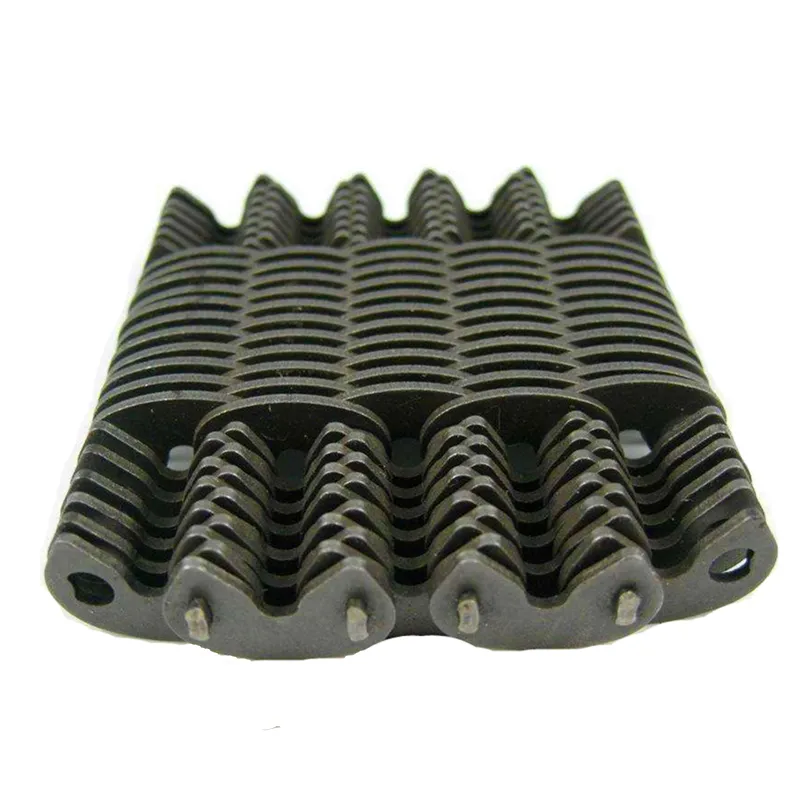
What are the benefits of using stainless steel industrial chains?
Stainless steel industrial chains offer several advantages compared to traditional chains made from other materials. Here are the key benefits of using stainless steel chains:
1. Corrosion resistance: Stainless steel is highly resistant to corrosion and oxidation, making it ideal for applications in humid or corrosive environments. It can withstand exposure to water, chemicals, and various corrosive substances without rusting or deteriorating.
2. Durability and longevity: Stainless steel chains have excellent durability and a long lifespan. They can withstand heavy loads, high temperatures, and frequent cycling without significant wear or fatigue. This reduces the need for frequent replacements, resulting in cost savings over time.
3. Strength and reliability: Stainless steel has high tensile strength and resistance to breakage. It provides reliable performance and can handle heavy-duty applications where strength and reliability are crucial.
4. Hygiene and cleanliness: Stainless steel chains are hygienic and easy to clean. They are non-porous, making them resistant to bacterial growth and contamination. This makes them suitable for industries with strict hygiene requirements, such as food processing, pharmaceuticals, and healthcare.
5. Temperature resistance: Stainless steel has excellent temperature resistance, allowing it to maintain its mechanical properties even in extreme temperature conditions. It can withstand both high and low temperatures without deformation or loss of performance.
6. Aesthetic appeal: Stainless steel chains have a polished and attractive appearance, making them suitable for applications where aesthetics matter, such as architectural or decorative purposes.
7. Versatility: Stainless steel chains are available in various sizes, configurations, and types to suit different applications. They can be found in a wide range of industries, including food processing, pharmaceuticals, chemicals, automotive, and more.
8. Easy maintenance: Stainless steel chains require minimal maintenance. They do not require regular lubrication and are easy to clean, reducing downtime and maintenance costs.
In summary, using stainless steel industrial chains provides the advantages of corrosion resistance, durability, strength, hygiene, temperature resistance, aesthetic appeal, versatility, and easy maintenance. These benefits make stainless steel chains a preferred choice in industries where reliability, longevity, and performance are crucial.
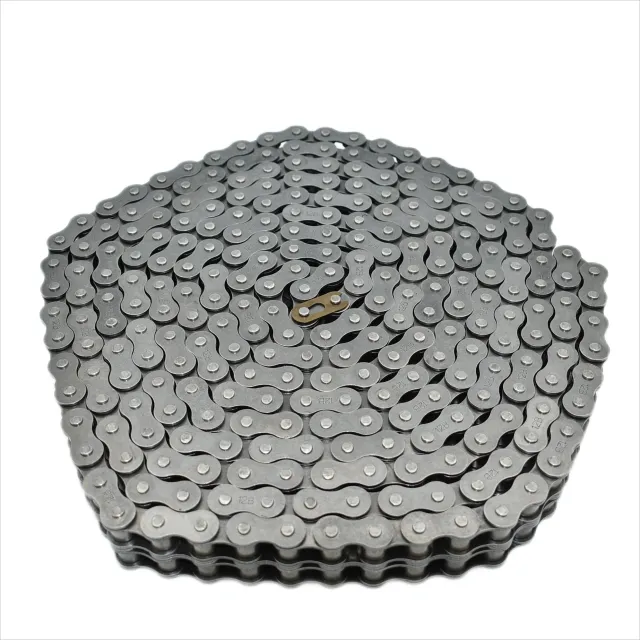
What are the environmental considerations when using an industrial chain?
When using an industrial chain, there are several environmental considerations to take into account:
1. Lubrication: Proper lubrication of the chain is important not only for its performance but also for environmental reasons. Using environmentally-friendly lubricants can help minimize the impact on the environment, especially in applications where there is a risk of lubricant leakage or contamination.
2. Material Selection: Choosing the right materials for the chain and its components is crucial. Opting for materials that are resistant to corrosion and wear can extend the chain’s lifespan and reduce the need for frequent replacements, thus minimizing waste.
3. Maintenance and Inspection: Regular maintenance and inspection of the chain can help identify any potential issues early on, preventing unexpected failures and reducing the environmental impact of unplanned downtime and repairs.
4. Noise and Vibration: Industrial chains can generate noise and vibrations during operation, which may have environmental implications, especially in noise-sensitive areas or where worker comfort is a priority. Implementing measures to minimize noise and vibration, such as proper lubrication, chain tensioning, and damping systems, can help mitigate these effects.
5. Waste Management: Proper disposal and recycling of worn-out or damaged chain components are important to minimize the environmental impact. Recycling programs or partnering with responsible waste management companies can ensure that discarded chain components are properly handled and disposed of in an environmentally friendly manner.
By considering these environmental factors and implementing appropriate measures, the use of industrial chains can be made more sustainable and environmentally responsible.
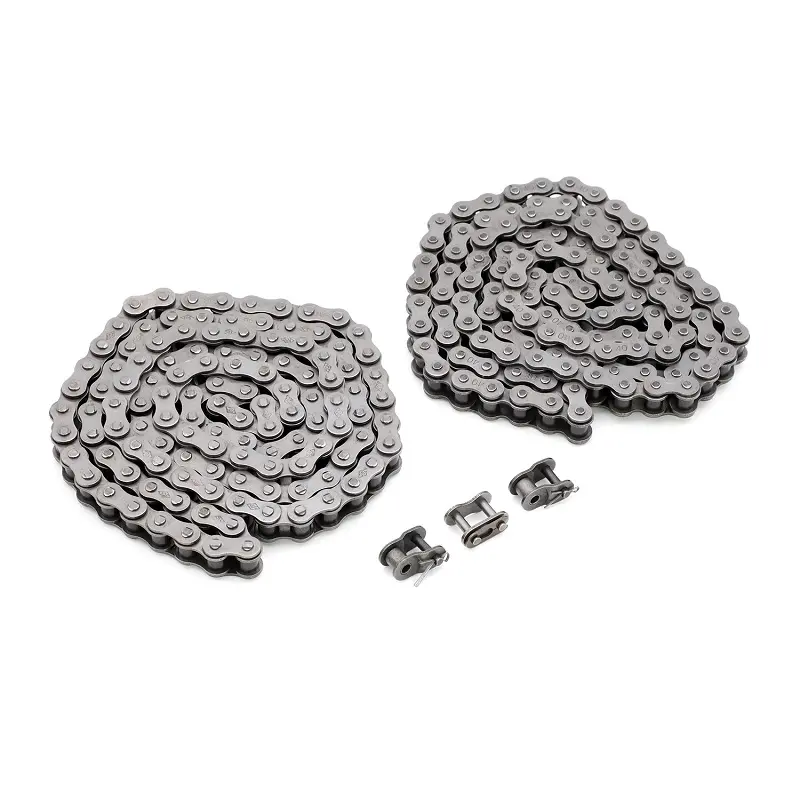
What are the maintenance requirements for an industrial chain?
Maintaining an industrial chain is crucial to ensure its optimal performance and extend its lifespan. Here are some key maintenance requirements for industrial chains:
- Cleaning: Regularly clean the industrial chain to remove dirt, debris, and contaminants that can cause friction and wear. Use a suitable solvent or cleaning agent recommended by the chain manufacturer.
- Lubrication: Apply the appropriate lubricant to the chain according to the manufacturer’s recommendations. Lubrication reduces friction, minimizes wear, and helps prevent corrosion. Regularly inspect the lubrication levels and replenish as needed.
- Tension Adjustment: Check the tension of the industrial chain regularly. Ensure it is within the recommended range specified by the manufacturer. Improper tension can lead to excessive wear, reduced performance, and increased stress on the chain components.
- Alignment: Verify that the industrial chain is properly aligned with the sprockets or pulleys. Misalignment can cause uneven wear and premature failure. Adjust the alignment as necessary.
- Inspection: Periodically inspect the industrial chain for signs of wear, corrosion, damaged links, or other abnormalities. Look for elongation, bent or broken links, and excessive wear on the sprockets. Replace any worn or damaged components promptly.
- Environment: Consider the environmental conditions in which the industrial chain operates. Protect the chain from excessive moisture, extreme temperatures, and corrosive substances. Implement appropriate measures such as covers, guards, or coatings to safeguard the chain.
- Documentation: Keep records of maintenance activities, including lubrication schedules, tension adjustments, inspections, and any repairs or replacements. This documentation helps track the chain’s history and aids in future maintenance planning.
Following these maintenance requirements will help ensure the reliability, efficiency, and longevity of the industrial chain. It is important to refer to the manufacturer’s guidelines and recommendations for specific maintenance procedures and intervals for your particular chain type and application.


editor by CX 2023-11-06