Product Description
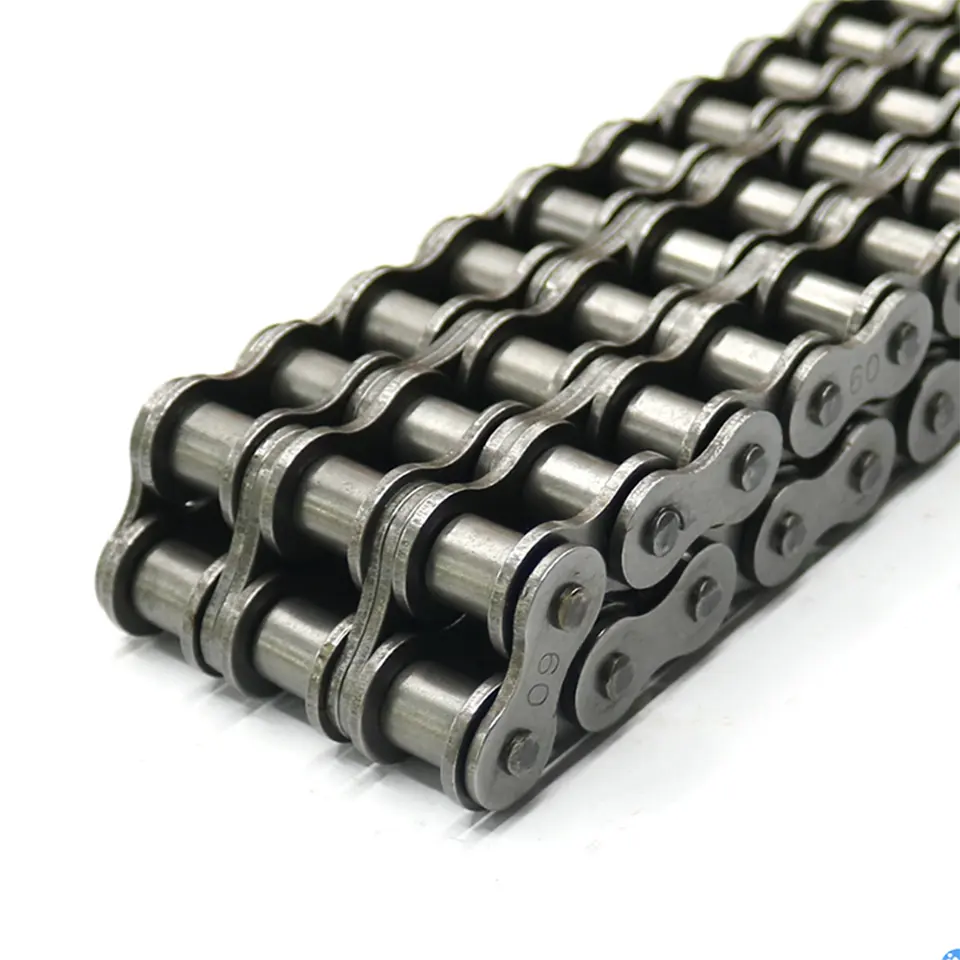
Product | Standard Double Pitch Roller chain | ||
Material | 40Mn steel,304 stainless steel, 316 stainless steel and 201 stainless steel. | ||
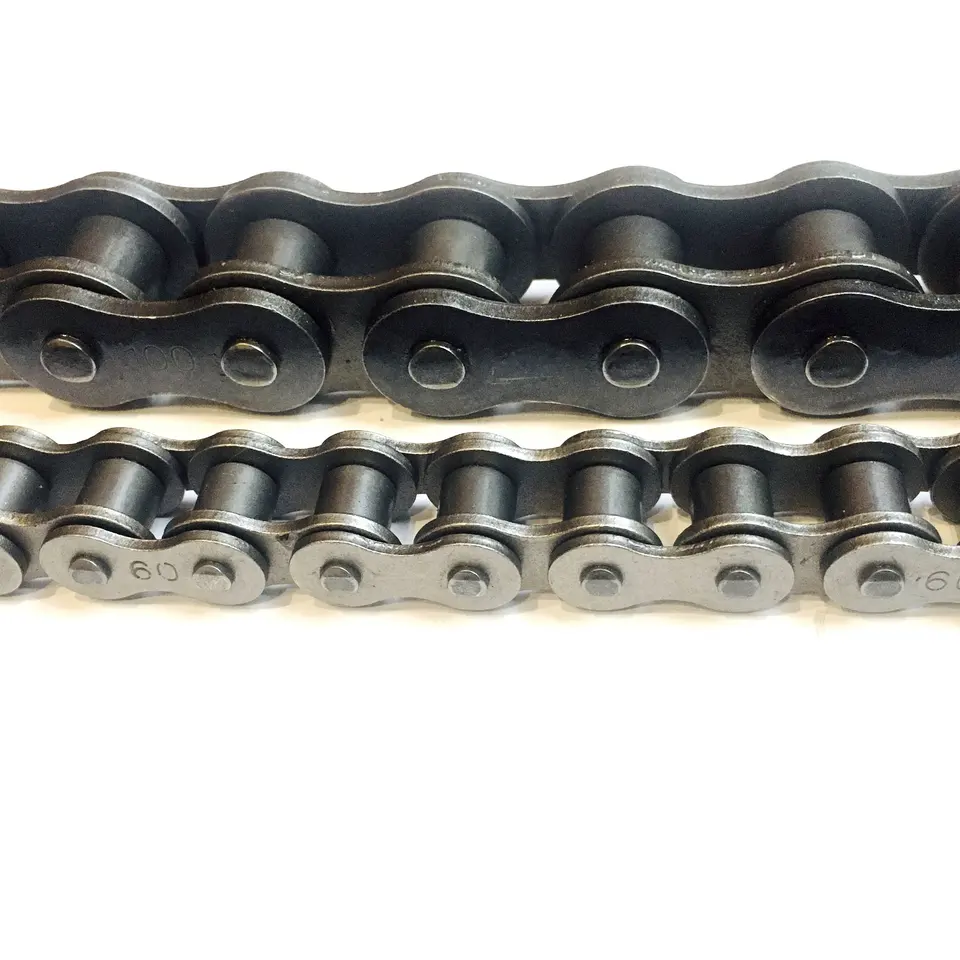
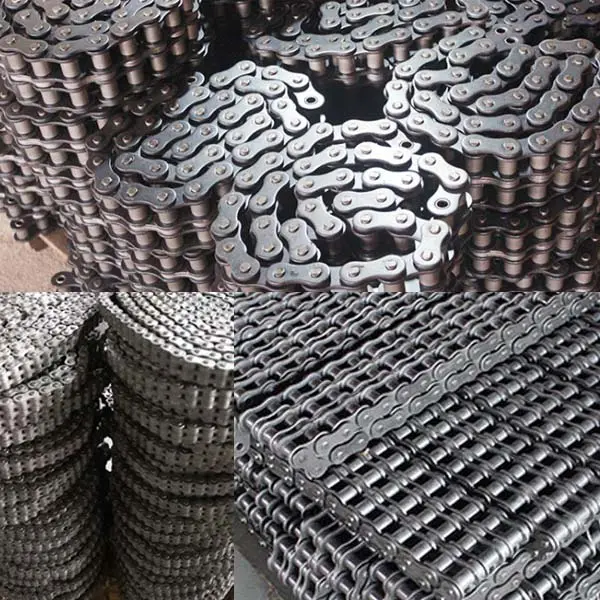
Types | Standard chains and special chains, such as A or B series chains, roller chains, driving chains, conveyor chains, hoisting chains, agricultural chains, sprockets, gears, wheels and so on. | ||
Series | A series(12.7-50.8mm pitches),B series (9.525-50.8mm pitches)and the heavy series. | ||
Short pitch precision roller chain | Simplex Roller Chains&Bushing Chains: 04C-1,06C-1,085-1,08A-1,10A-1,12A-1,16A-1,20A-1,24A-1,28A-1,32A-1,36A-1,40A-1,48A-1 04C-2,06C-2,085-2,08A-2,10A-2,12A-2,16A-2,20A-2,24A-2,28A-2,32A-2,36A-2,40A-2,48A-2 04C-3,06C-2,085-3,08A-3,10A-3,12A-3,16A-3,20A-3,24A-3,28A-3,32A-3,36A-3,40A-3,48A-3 | ||
Chain link type | Standard links (without attachment) and non-standard links (with attachment).
A1: One-side,one hole cranked attachments. | ||
Our Products Advantage | 1. Every step from production order to the packing process has a strict quality inspection. | ||
1.Fast delivery: Standard products can be delivered in as fast as 20 days
2.Good service: timely reply, prompt quotation, responsible for the product
3.High cost performance: can maintain price stability for a certain period of time, bringing greater profits to customers
4.Good quality: production and testing have corresponding supervision to ensure product quality and get high praise from customers
5.OEM service: products can be customized according to drawings and requirements
We are responsible for the ordered products. We are very confident in the products we produce. Of course, if you have any problems after receiving the goods, you can contact us directly. We will confirm and negotiate in time to solve your difficulties.
/* January 22, 2571 19:08:37 */!function(){function s(e,r){var a,o={};try{e&&e.split(“,”).forEach(function(e,t){e&&(a=e.match(/(.*?):(.*)$/))&&1
| Material: | Alloy |
|---|---|
| Structure: | Roller Chain |
| Surface Treatment: | Polishing |
| Samples: | US$ 35/kg 1 kg(Min.Order) | Order Sample |
|---|
| Customization: | Available | Customized Request |
|---|
.shipping-cost-tm .tm-status-off{background: none;padding:0;color: #1470cc}
| Shipping Cost: Estimated freight per unit. | about shipping cost and estimated delivery time. |
|---|
| Payment Method: |
|
|---|---|
| Initial Payment Full Payment |
| Currency: | US$ |
|---|
| Return&refunds: | You can apply for a refund up to 30 days after receipt of the products. |
|---|
How do you determine the expected lifespan of an industrial chain?
The expected lifespan of an industrial chain can vary depending on various factors. Here’s how you can determine the expected lifespan of an industrial chain:
- Manufacturer’s specifications: Start by referring to the manufacturer’s specifications and guidelines for the industrial chain. Manufacturers often provide information about the estimated lifespan based on the chain’s design, material, and intended use.
- Operating conditions: Evaluate the operating conditions in which the industrial chain will be used. Factors such as temperature, humidity, exposure to chemicals or abrasive materials, and load conditions can significantly impact the chain’s lifespan. Consider whether the chain will be subject to heavy loads, frequent starts and stops, or continuous operation.
- Maintenance practices: Proper maintenance is essential for prolonging the lifespan of an industrial chain. Follow the manufacturer’s recommended maintenance procedures, including regular cleaning, lubrication, and inspection. Neglecting maintenance can lead to premature wear and reduce the chain’s lifespan.
- Chain wear monitoring: Implement a chain wear monitoring program to track the condition of the chain over time. This can involve measuring the elongation of the chain, inspecting for signs of wear, and conducting regular maintenance checks. By monitoring wear, you can anticipate when the chain may need replacement.
- Application-specific factors: Consider any unique factors related to the specific application. This may include factors like shock loads, vibration, misalignment, or exposure to extreme conditions. These factors can accelerate wear and impact the chain’s lifespan.
- Historical data and experience: Drawing from historical data and experience with similar applications can provide insights into the expected lifespan of the industrial chain. If there are past records of chain performance in similar operating conditions, they can serve as a reference point.
It’s important to note that determining the exact lifespan of an industrial chain is challenging as it depends on various factors. Regular monitoring, proper maintenance, and adherence to recommended operating conditions can help maximize the chain’s lifespan.
How do you select the appropriate lubricant for an industrial chain?
Selecting the right lubricant for an industrial chain is crucial to ensure its smooth operation, reduce wear, and extend its lifespan. Here are the key factors to consider when choosing the appropriate lubricant:
1. Chain type: Different types of industrial chains may have specific lubrication requirements. Refer to the manufacturer’s recommendations or technical specifications to determine the compatible lubricant.
2. Operating conditions: Consider the operating environment, such as temperature, humidity, and exposure to contaminants like dust or chemicals. Choose a lubricant that can withstand the specific conditions and provide adequate protection.
3. Load and speed: Evaluate the load capacity and speed of the chain system. High loads or high speeds may require lubricants with enhanced film strength and viscosity to prevent metal-to-metal contact.
4. Lubricant properties: Look for lubricants with properties such as high viscosity index, good thermal stability, anti-wear additives, corrosion resistance, and water resistance. These properties contribute to better lubrication and protection.
5. Lubrication method: Consider the lubrication method available for the chain system, such as manual lubrication, automatic lubrication systems, or oil bath lubrication. Ensure the selected lubricant is compatible with the chosen lubrication method.
6. Maintenance schedule: Assess the maintenance intervals and frequency of lubrication. Some lubricants offer longer-lasting performance, reducing the frequency of relubrication and maintenance requirements.
7. Environmental impact: Take into account any environmental regulations or considerations when selecting a lubricant. Choose environmentally friendly options, such as biodegradable or low-toxicity lubricants, if required.
Consult with lubricant suppliers or industry experts for specific recommendations based on your application and chain system requirements. They can provide valuable insights and help you select the most suitable lubricant to optimize the performance and longevity of your industrial chain.
How do you select the right industrial chain for a specific application?
Selecting the right industrial chain for a specific application involves considering several factors to ensure optimal performance and longevity. Here are the steps to guide you in the selection process:
- Identify the application requirements: Understand the specific needs of your application, such as load capacity, speed, operating environment, and desired functionality.
- Determine the chain type: Based on the application requirements, choose the appropriate chain type, such as roller chains, conveyor chains, leaf chains, or specialty chains.
- Consider chain material: Evaluate the compatibility of the chain material with the operating environment, including factors like corrosion resistance, temperature resistance, and chemical resistance.
- Evaluate chain strength: Determine the required chain strength based on the anticipated loads and forces encountered in the application. Consider factors such as shock loads, tension, and fatigue resistance.
- Calculate chain length: Calculate the required chain length by considering the distance between sprockets, the desired tension, and any adjustments required for installation and maintenance.
- Check for specific features: Determine if any specific features are necessary for the application, such as self-lubricating capabilities, noise reduction, or specialized attachments.
- Consult manufacturer guidelines: Refer to the manufacturer’s guidelines and specifications for the selected chain type to ensure it meets the required standards and specifications.
- Consider maintenance and serviceability: Evaluate the chain’s maintenance requirements and ease of servicing to ensure it can be properly maintained throughout its lifespan.
- Verify compatibility: Confirm the compatibility of the selected industrial chain with the accompanying sprockets, gears, or other components to ensure proper engagement and operation.
- Consider cost-effectiveness: Assess the overall cost-effectiveness of the chain, considering factors such as initial cost, maintenance expenses, and expected lifespan.
By following these steps and considering the specific requirements of your application, you can select the right industrial chain that meets your operational needs and ensures reliable and efficient performance.


editor by CX 2024-04-04