Product Description
316 stainless steel chain
A corrosion-resistant chain manufactured from stainless steel, used in food processing, chemical, marine, and high temperature environments.
Certain stainless steel chains may be used for overhead lifting. consult with the manufacture before using any stainless steel chain for overhead lifting.
Specifications:
Material: 304 and 316
Finish:Polished
Criterion: Nacm
Application:
| stainless steel chain | 316 stainless steel chain makes an attractive and functional alternative to galvanized chain, especially on rope/chain combination rodes. Available by the foot from 1 /4″ – 3 /8″; in half-drums or in full drums from 1 /4″ -5 /8″. |
| stainless steel chain | Type 316 stainless is a non-magnetic alloy-type chain. It is also corrosion resistant and is used for industrial and marine applications. Type 316 has a shorter link than type 304 and has a higher working load. Stainless chain is typically ordered by the foot. This chain is not used for overhead lifting. |
Service:
HangZhou CHINAMFG Jin Hao International Trade Co., Ltd.
Hoping sincerely that you can choose our company; we will serve wholeheartedly for you by our rich experience!
Phone:
Glad to be of service. Please feel free to contact us anytime !!!
We 24 hours service for you!
| Application: | Boat, Yacht |
|---|---|
| Standard: | ASTM, GB, DIN, ANSI, JIS, ISO |
| Customized: | Customized |
| Surface Treatment: | Polished |
| Material: | Steel |
| Type: | Anchor Chain |
| Samples: | US$ 39.99/Piece 1 Piece(Min.Order) | |
|---|
| Customization: | Available | Customized Request |
|---|
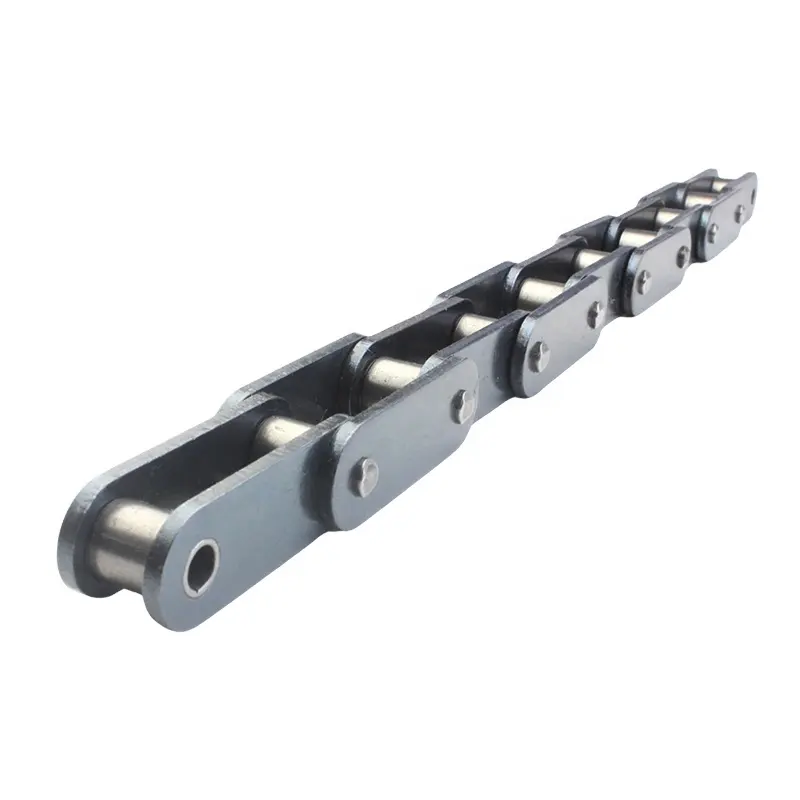
Can an industrial chain be used in corrosive or abrasive environments?
Yes, industrial chains can be used in corrosive or abrasive environments, but the selection of the appropriate chain material and proper maintenance practices are crucial for their reliable performance. Here are some considerations:
- Corrosive Environments: In corrosive environments where the chain is exposed to chemicals, moisture, or other corrosive substances, it is essential to choose a chain material that offers excellent corrosion resistance. Stainless steel chains or chains with corrosion-resistant coatings are commonly used in such applications. These materials provide protection against rust and corrosion.
- Abrasive Environments: In abrasive environments where the chain is subjected to wear and abrasion, it is important to select a chain with high hardness and resistance to wear. Chains made from materials like alloy steel or with hardened components are suitable for such conditions. Additionally, chains with specialized surface treatments or coatings can provide extra protection against abrasion.
- Maintenance Practices: Proper maintenance is essential to extend the lifespan of an industrial chain in corrosive or abrasive environments. Regular cleaning of the chain to remove contaminants and applying appropriate lubrication can help reduce friction, wear, and corrosion. Inspecting the chain regularly for signs of damage or wear and addressing any issues promptly can also prevent premature failure.
- Considerations for Material Selection: When choosing an industrial chain for corrosive or abrasive environments, consider factors such as the specific chemicals or substances present, temperature variations, humidity levels, and the intensity of abrasion. Consulting with chain manufacturers or industry experts can help in selecting the most suitable chain material and design for your specific application.
By selecting the right chain material, implementing proper maintenance practices, and considering the specific requirements of the corrosive or abrasive environment, industrial chains can effectively operate and withstand the challenges posed by such conditions.
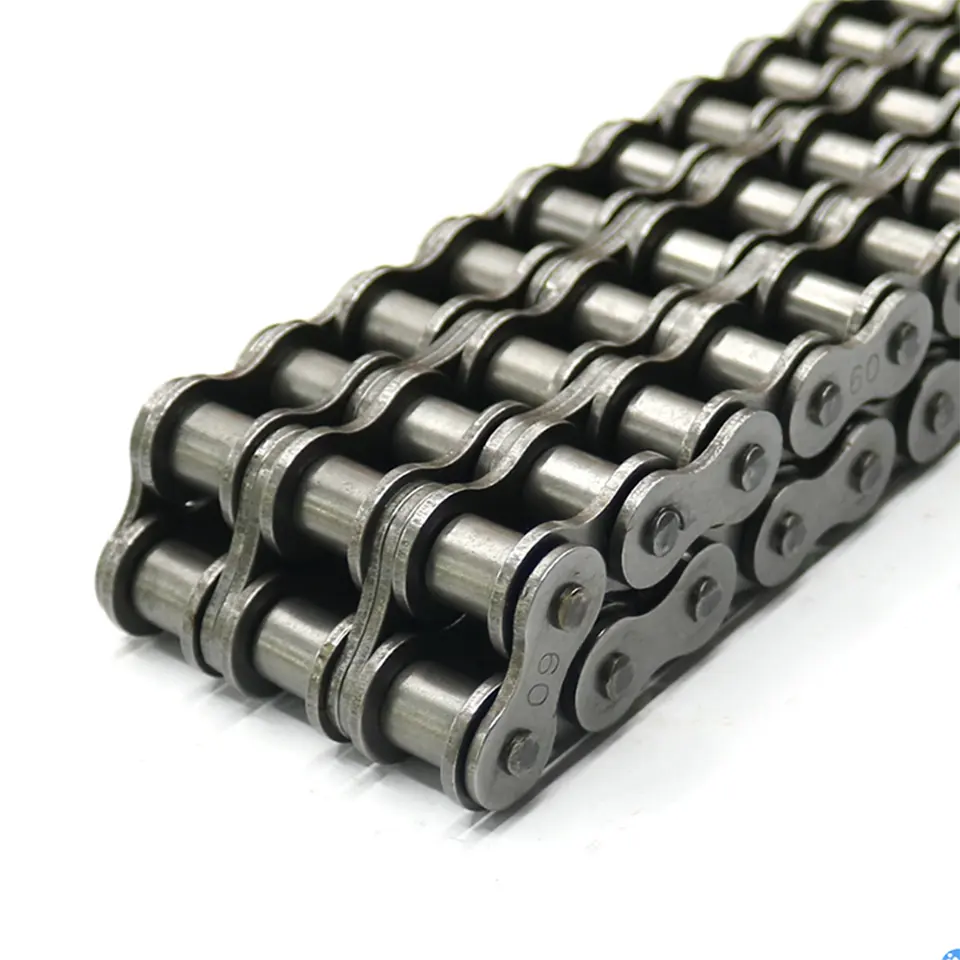
Can an industrial chain be used in high-temperature environments?
An industrial chain’s suitability for high-temperature environments depends on the specific chain type, material, and operating conditions. While some industrial chains are designed to withstand elevated temperatures, others may experience performance issues or damage when exposed to excessive heat.
Industrial chains used in high-temperature applications are typically constructed using materials that exhibit excellent heat resistance. Common materials include heat-resistant alloys, stainless steel, or specialized coatings that can withstand the elevated temperatures without compromising the chain’s strength or integrity.
When considering the use of an industrial chain in high-temperature environments, several factors should be taken into account:
- Temperature Range: Determine the maximum temperature the industrial chain will be exposed to. Different chain materials have different temperature limits, and it’s crucial to select a chain that can withstand the specific temperature range.
- Chain Type: Certain chain types, such as roller chains or silent chains, may be better suited for high-temperature applications than others. Consult the manufacturer’s guidelines and specifications to ensure the chosen chain type is suitable for the intended temperature range.
- Lubrication: Proper lubrication is essential in high-temperature environments to minimize friction, reduce wear, and ensure smooth chain operation. Special high-temperature lubricants or dry lubrication methods may be required to maintain chain performance under elevated temperatures.
- Heat Dissipation: Consider the ability of the industrial chain and the surrounding equipment to dissipate heat effectively. In some cases, additional cooling mechanisms or heat shielding may be necessary to protect the chain and prevent overheating.
- Application Requirements: Assess the specific demands of the application, such as load, speed, and cyclic operation, and ensure that the chosen industrial chain can handle these conditions at high temperatures.
It’s important to consult the manufacturer’s recommendations and technical documentation to verify the suitability of an industrial chain for high-temperature environments. Working with experienced engineers or industry experts can also provide valuable insights and guidance in selecting the appropriate chain for such applications.
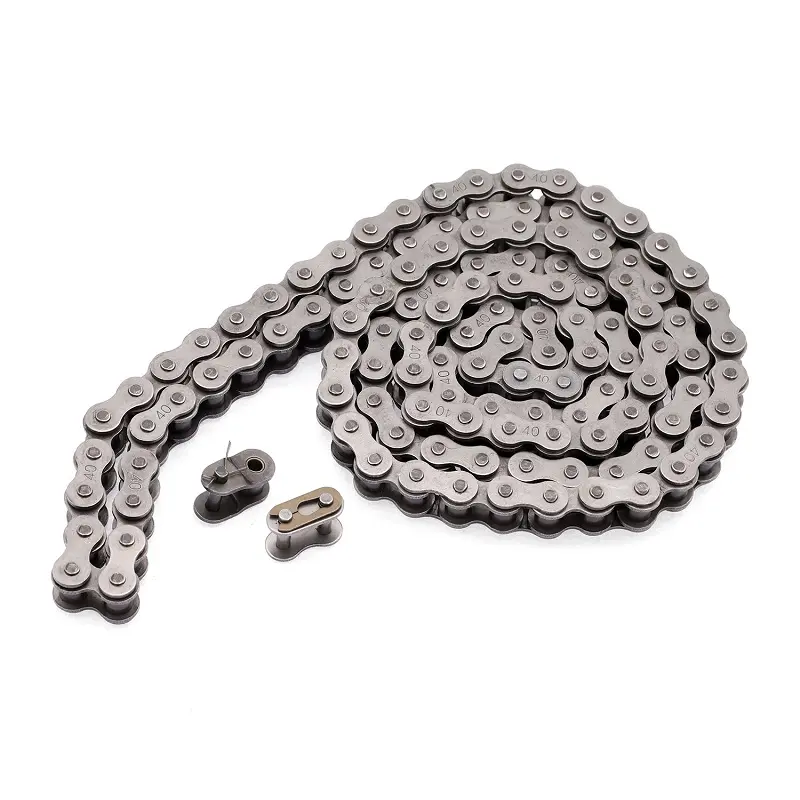
What lubrication is recommended for industrial chains?
Choosing the right lubrication for industrial chains is essential to ensure their smooth operation and longevity. Here are some commonly recommended lubricants for industrial chains:
- Chain Oil: Chain oils are specifically formulated for industrial chain applications. They have excellent penetration and adhesion properties, providing lubrication to the chain’s internal components. Chain oils often have anti-wear and anti-corrosion additives to protect against friction and moisture.
- Grease: Greases designed for industrial chain lubrication offer good adhesion and cling properties. They provide a protective film that stays in place even under high loads and temperatures. Greases can provide long-lasting lubrication and are suitable for applications where oil may not be suitable or accessible.
- Dry Film Lubricants: Dry film lubricants, such as PTFE (polytetrafluoroethylene) or molybdenum disulfide-based coatings, are applied as a thin film to the chain. They create a low-friction barrier between the chain components, reducing wear and enhancing performance. Dry film lubricants are particularly useful in applications where oil or grease may attract dirt, dust, or contaminants.
When selecting a lubricant for industrial chains, consider factors such as operating conditions, temperature, load, speed, and environmental conditions. It’s important to consult the chain manufacturer’s recommendations and follow their guidelines for lubrication intervals and application methods. Regular lubrication and maintenance will help reduce friction, wear, and the risk of chain failures in industrial applications.


editor by CX 2023-10-25