Product Description
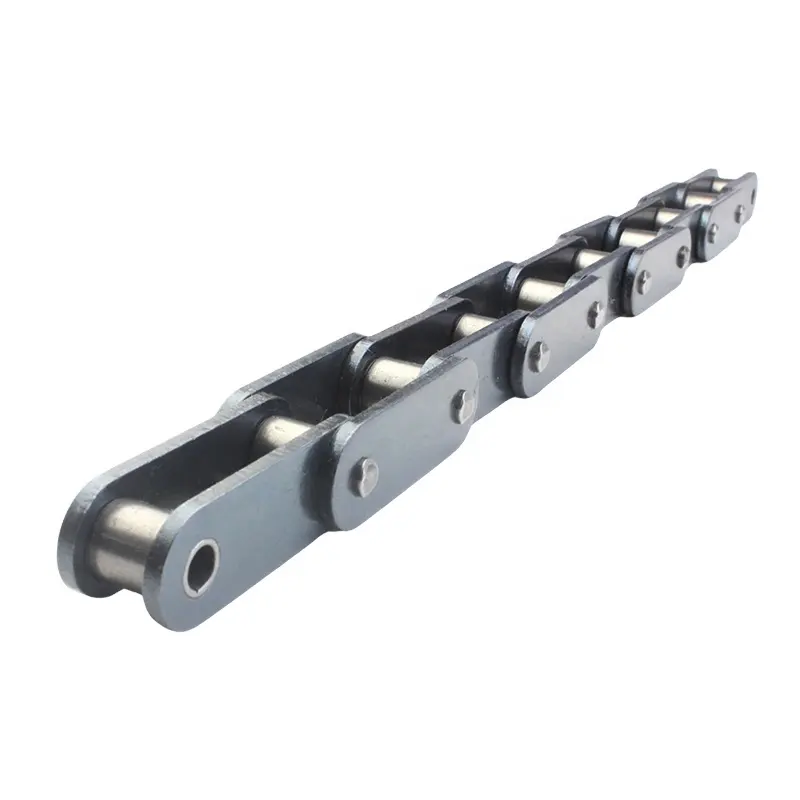
| Item | Standard Transmission Roller Chains | Model | Series A, Series B, Heavy Duty |
| Row | Simplex/Duplex/Triplex | Application | Machinery Parts |
| Surface Teatment | Self-color/Sand-blasted/Shot-peening | Brand | OEM |
| Package | Poly bag, then box, finally poly-wooden case | Port | Any sea port or airport in China |
| A Series | 03C,04C-1,06C-1,085-1,08A-1,10A-1,12A-1,16A-1,20A-1,24A-1,28A-1,32A-1,36A-1,40A-1,48A-1. 15,25-1,35-1,41-1,40-1,50-1,60-1,80-1,100-1,120-1,140-1,160-1,180-1,200-1,240-1. | ||
| 04C-2,06C-2,085-2,08A-2,10A-2,12A-2,16A-2,20A-2,24A-2,28A-2,32A-2,36A-2,40A-2,48A-2. 15,25-2,35-2,41-2,40-2,50-2,60-2,80-2,100-2,120-2,140-2,160-2,180-2,200-2,240-2. | |||
| 04C-3,06C-3,085-3,08A-3,10A-3,12A-3,16A-3,20A-3,24A-3,28A-3,32A-3,36A-3,40A-3,48A-3. 15,25-3,35-3,41-3,40-3,50-3,60-3,80-3,100-3,120-3,140-3,160-3,180-3,200-3,240-3. | |||
| B Series | 05B-1,06B-1,08B-1,10B-1,12B-1,16B-1,20B-1,24B-1,28B-1,32B-1,40B-1,48B-1,56B-1,64B-1,72B-1. | ||
| 05B-2,06B-2,08B-2,10B-2,12B-2,16B-2,20B-2,24B-2,28B-2,32B-2,40B-2,48B-2,56B-2,64B-2,72B-2. | |||
| 05B-3,06B-3,08B-3,10B-3,12B-3,16B-3,20B-3,24B-3,28B-3,32B-3,40B-3,48B-3,56B-3,64B-3,72B-3. | |||
| Heavy Duty Type | 35H-1,40H-1,50H-1,60H-1,80H-1,100H-1,120H-1,140H-1,160H-1,180H-1,200H-1,240H-1. | ||
| 35H-2,40H-2,50H-2,60H-2,80H-2,100H-2,120H-2,140H-2,160H-2,180H-2,200H-2,240H-2. | |||
| 35H-3,40H-3,50H-3,60H-3,80H-3,100H-3,120H-3,140H-3,160H-3,180H-3,200H-3,240H-3. | |||
/* January 22, 2571 19:08:37 */!function(){function s(e,r){var a,o={};try{e&&e.split(“,”).forEach(function(e,t){e&&(a=e.match(/(.*?):(.*)$/))&&1
| Standard or Nonstandard: | Standard/Nonstandard |
|---|---|
| Application: | Textile Machinery, Garment Machinery, Conveyer Equipment, Packaging Machinery, Motorcycle, Food Machinery, Marine, Mining Equipment, Agricultural Machinery, Car |
| Surface Treatment: | Polishing |
| Structure: | Roller Chain |
| Material: | Carbon Steel/Stainless Steel |
| Type: | Short Pitch Chain |
| Samples: | US$ 5/Several links of standard chain 1 Several links of standard chain(Min.Order) | |
|---|
| Customization: | Available | Customized Request |
|---|
Can an industrial chain be used in corrosive or abrasive environments?
Yes, industrial chains can be used in corrosive or abrasive environments, but the selection of the appropriate chain material and proper maintenance practices are crucial for their reliable performance. Here are some considerations:
- Corrosive Environments: In corrosive environments where the chain is exposed to chemicals, moisture, or other corrosive substances, it is essential to choose a chain material that offers excellent corrosion resistance. Stainless steel chains or chains with corrosion-resistant coatings are commonly used in such applications. These materials provide protection against rust and corrosion.
- Abrasive Environments: In abrasive environments where the chain is subjected to wear and abrasion, it is important to select a chain with high hardness and resistance to wear. Chains made from materials like alloy steel or with hardened components are suitable for such conditions. Additionally, chains with specialized surface treatments or coatings can provide extra protection against abrasion.
- Maintenance Practices: Proper maintenance is essential to extend the lifespan of an industrial chain in corrosive or abrasive environments. Regular cleaning of the chain to remove contaminants and applying appropriate lubrication can help reduce friction, wear, and corrosion. Inspecting the chain regularly for signs of damage or wear and addressing any issues promptly can also prevent premature failure.
- Considerations for Material Selection: When choosing an industrial chain for corrosive or abrasive environments, consider factors such as the specific chemicals or substances present, temperature variations, humidity levels, and the intensity of abrasion. Consulting with chain manufacturers or industry experts can help in selecting the most suitable chain material and design for your specific application.
By selecting the right chain material, implementing proper maintenance practices, and considering the specific requirements of the corrosive or abrasive environment, industrial chains can effectively operate and withstand the challenges posed by such conditions.
Can an industrial chain be used for vertical lifting applications?
Yes, industrial chains can be used for vertical lifting applications. However, several factors need to be considered to ensure safe and efficient lifting operations:
- Chain type and strength: The industrial chain selected for vertical lifting applications must have the appropriate strength and load capacity to safely lift the intended load.
- Safety factors: It is crucial to consider the safety factors and ensure that the selected chain is capable of handling the maximum expected load without exceeding its rated capacity.
- Overhead clearance: Sufficient overhead clearance is necessary to accommodate the length of the chain and prevent any obstructions during the lifting process.
- Proper tensioning: The chain must be properly tensioned to prevent slippage or excessive slack, which can compromise the lifting operation.
- Guidance and control: Proper guidance and control mechanisms should be in place to ensure smooth and controlled vertical movement of the load.
- Maintenance and inspection: Regular maintenance and inspection of the chain are essential to identify any signs of wear, damage, or fatigue that may compromise its integrity and lifting capability.
It is important to consult industry standards, regulations, and specific manufacturer guidelines to determine the suitability of an industrial chain for a vertical lifting application. Additionally, working with experienced professionals and following established safety protocols is crucial to ensure the safe and effective use of the industrial chain in lifting operations.
How can you prevent industrial chain failures?
Preventing industrial chain failures requires proactive maintenance and proper care. Here are some key steps to prevent chain failures:
- Regular Inspection: Conduct regular inspections of the chain, sprockets, and other components to identify signs of wear, damage, or misalignment. Inspect for proper lubrication and tension as well.
- Lubrication: Ensure proper lubrication of the chain to reduce friction, wear, and corrosion. Use the recommended lubricant and follow the manufacturer’s guidelines for lubrication intervals.
- Tension Adjustment: Maintain proper chain tension to prevent excessive slack or tightness. Improper tension can cause accelerated wear and premature failure. Refer to the manufacturer’s specifications for correct tensioning procedures.
- Sprocket Alignment: Ensure proper alignment of the sprockets to prevent excessive wear on the chain. Misalignment can lead to uneven loading and premature failure. Align sprockets according to the manufacturer’s recommendations.
- Replacement of Worn Components: Monitor the chain for signs of wear and replace worn components, such as chains, sprockets, and bearings, promptly. Continuing to operate with worn components can lead to chain failure and potential damage to the machinery.
- Proper Storage: Store spare chains and components in a clean and dry environment to prevent corrosion and damage. Protect them from exposure to moisture, chemicals, and contaminants.
- Training and Education: Ensure that operators and maintenance personnel are trained in proper chain handling, installation, and maintenance techniques. Knowledgeable personnel can identify potential issues and take appropriate preventive measures.
By following these preventive measures, the risk of industrial chain failures can be significantly reduced. Regular maintenance, proper lubrication, and timely replacement of worn components are critical for ensuring the reliable operation and longevity of the industrial chain.


editor by CX 2024-05-08