Product Description
Product Description
Product Parameters
| Standard | GB, ISO, ANSI, DIN |
| Type | Standard A and standard B precision roller chain, conveyor chain; |
| special chain with accessories, welding chain, leaf chain and sprocket | |
| ANSI chain No. | 40,50,60,80,100,120,140,160,180,200,240; |
| C40,C50,C60,C80,C100,C120,C140,C160; | |
| DIN/ISO chain No. | 08A,10A,12A,16A,20A,24A,28A,32A,36A,40A,48A; |
| C08A,C10A,C12A,C16A,C20A,C24A,C28A,C32A; | |
| Application | Food processing, pharmaceutical and chemical industries, electronics, machinery; |
| household appliances, automotive manufacturing, metallurgy, sewage treatment | |
| Series | A series,B series |
More Products
Advantage
Certifications
DETAILS ABOUT CHINAMFG CHAIN
Exhibition
Workshop
Application
Packaging Details
Shipping
FAQ
1. Are you a manufacturer or trade Company?
We are a factory founded in 1997 with a trade team for international service.
2. What terms of payment do you usually use?
T/T 30% deposit and 70% against document, Western Union, L/C at sight
3. What is your lead time for your goods?
Normally 35 days after confirmed order. 30 days could be available in the low season for some items (during May to July), and 45 days during the new year and hot season ( Jan to March).
4. Samples
For customers who need sample confirmation before ordering, please bear in mind that the following policy will be adopted:
1) All samples are free of charge with a maximum value not exceeding USD 100.
2) The courier cost for the first-time sample sending will be charged by the consignee. We will send the samples with freight to be collected. So please inform your account with FedEx, UPS, DHL, or TNT so that we can proceed promptly.
3) The first-time courier cost will be totally deducted from the contract value of the trial cooperation.
4) OEM/ODM are both available.
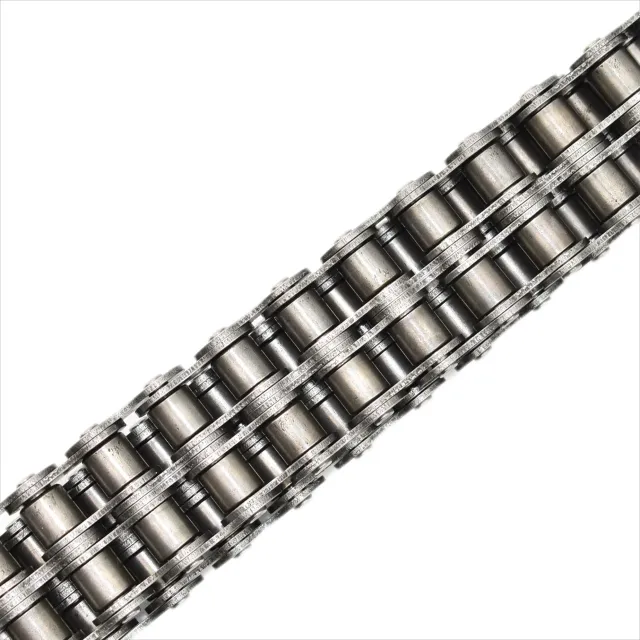
| Usage: | Transmission Chain, Drag Chain, Conveyor Chain, Dedicated Special Chain |
|---|---|
| Material: | Stainless steel |
| Surface Treatment: | Polishing |
| Feature: | Heat Resistant |
| Chain Size: | 1/2"*11/128" |
| Structure: | Roller Chain |
| Samples: | US$ 1/Meter 1 Meter(Min.Order) | |
|---|
| Customization: | Available | Customized Request |
|---|
What are the safety measures for working with heavy-duty industrial chains?
Working with heavy-duty industrial chains requires adherence to proper safety measures to ensure the well-being of personnel and the prevention of accidents. Here are some key safety measures to consider:
- Personal protective equipment (PPE): Operators and personnel working with industrial chains should wear appropriate PPE, including safety goggles, gloves, steel-toed boots, and protective clothing, to protect against potential hazards.
- Training and education: Ensure that all individuals involved in working with industrial chains receive proper training and education on safe operating procedures, equipment handling, and maintenance practices. This includes understanding the specific risks and hazards associated with heavy-duty chains.
- Machine guarding: Implement machine guarding measures to prevent accidental contact with moving chain components. This may include installing barriers, safety covers, or interlocking devices to prevent unauthorized access to the chain and related machinery.
- Proper installation: Follow manufacturer guidelines and recommendations for the proper installation of heavy-duty industrial chains. Improper installation can lead to chain failure or accidents during operation. Ensure that chains are correctly tensioned, aligned, and securely fastened.
- Maintenance and inspection: Regularly inspect and maintain the industrial chains to identify any signs of wear, damage, or fatigue. Replace worn or damaged components promptly to prevent chain failure. Follow a maintenance schedule that includes lubrication, tension adjustment, and inspection of chain links, sprockets, and other relevant parts.
- Lockout/tagout procedures: Establish lockout/tagout procedures to ensure that industrial chains are de-energized and secured before performing maintenance, repair, or adjustment tasks. This helps prevent accidental startup or movement of the chain during work.
- Risk assessment: Conduct a comprehensive risk assessment of the work environment to identify potential hazards associated with heavy-duty industrial chains. Implement appropriate control measures to mitigate the identified risks.
- Emergency preparedness: Have emergency protocols in place, including clear evacuation routes, accessible emergency stop buttons, and proper communication channels to respond quickly to any incidents or accidents involving industrial chains.
It is essential to follow local safety regulations, industry standards, and manufacturer recommendations specific to the heavy-duty industrial chains being used. Regular safety training, awareness, and ongoing monitoring of the work environment contribute to a safe and productive operation involving industrial chains.
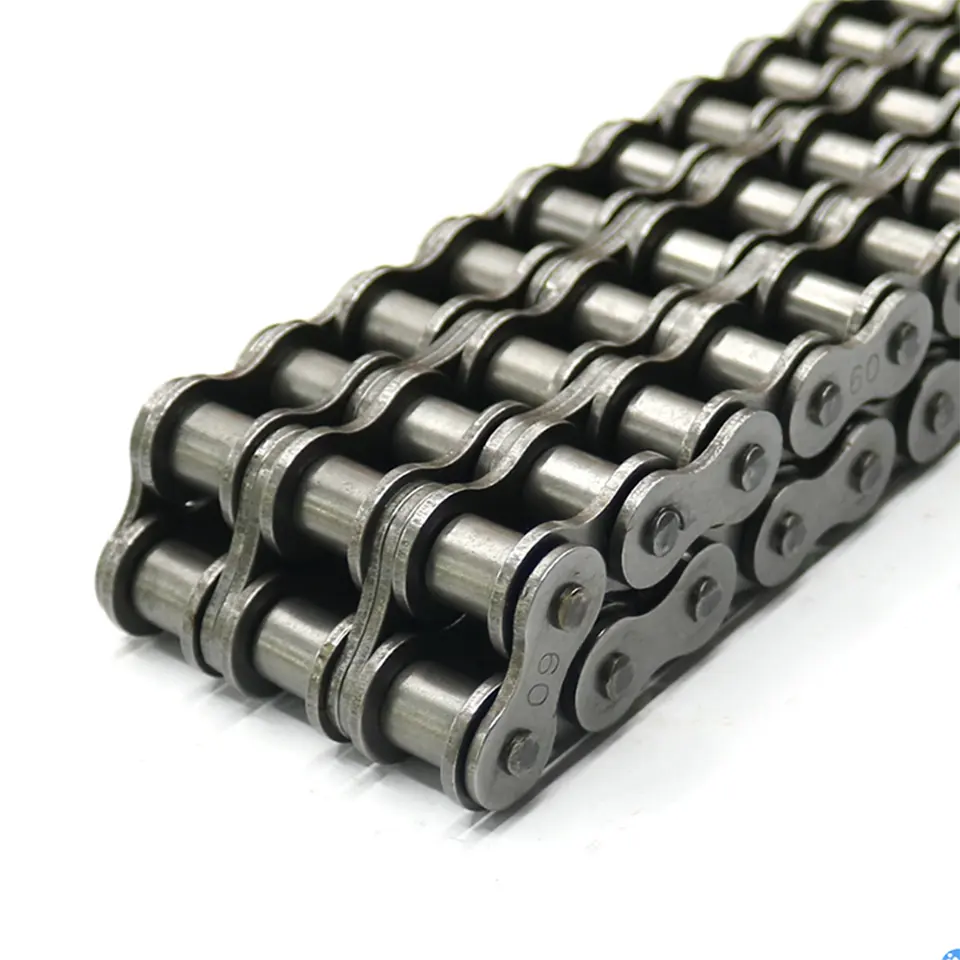
Can an industrial chain be used in high-temperature environments?
An industrial chain’s suitability for high-temperature environments depends on the specific chain type, material, and operating conditions. While some industrial chains are designed to withstand elevated temperatures, others may experience performance issues or damage when exposed to excessive heat.
Industrial chains used in high-temperature applications are typically constructed using materials that exhibit excellent heat resistance. Common materials include heat-resistant alloys, stainless steel, or specialized coatings that can withstand the elevated temperatures without compromising the chain’s strength or integrity.
When considering the use of an industrial chain in high-temperature environments, several factors should be taken into account:
- Temperature Range: Determine the maximum temperature the industrial chain will be exposed to. Different chain materials have different temperature limits, and it’s crucial to select a chain that can withstand the specific temperature range.
- Chain Type: Certain chain types, such as roller chains or silent chains, may be better suited for high-temperature applications than others. Consult the manufacturer’s guidelines and specifications to ensure the chosen chain type is suitable for the intended temperature range.
- Lubrication: Proper lubrication is essential in high-temperature environments to minimize friction, reduce wear, and ensure smooth chain operation. Special high-temperature lubricants or dry lubrication methods may be required to maintain chain performance under elevated temperatures.
- Heat Dissipation: Consider the ability of the industrial chain and the surrounding equipment to dissipate heat effectively. In some cases, additional cooling mechanisms or heat shielding may be necessary to protect the chain and prevent overheating.
- Application Requirements: Assess the specific demands of the application, such as load, speed, and cyclic operation, and ensure that the chosen industrial chain can handle these conditions at high temperatures.
It’s important to consult the manufacturer’s recommendations and technical documentation to verify the suitability of an industrial chain for high-temperature environments. Working with experienced engineers or industry experts can also provide valuable insights and guidance in selecting the appropriate chain for such applications.
How can you prevent industrial chain failures?
Preventing industrial chain failures requires proactive maintenance and proper care. Here are some key steps to prevent chain failures:
- Regular Inspection: Conduct regular inspections of the chain, sprockets, and other components to identify signs of wear, damage, or misalignment. Inspect for proper lubrication and tension as well.
- Lubrication: Ensure proper lubrication of the chain to reduce friction, wear, and corrosion. Use the recommended lubricant and follow the manufacturer’s guidelines for lubrication intervals.
- Tension Adjustment: Maintain proper chain tension to prevent excessive slack or tightness. Improper tension can cause accelerated wear and premature failure. Refer to the manufacturer’s specifications for correct tensioning procedures.
- Sprocket Alignment: Ensure proper alignment of the sprockets to prevent excessive wear on the chain. Misalignment can lead to uneven loading and premature failure. Align sprockets according to the manufacturer’s recommendations.
- Replacement of Worn Components: Monitor the chain for signs of wear and replace worn components, such as chains, sprockets, and bearings, promptly. Continuing to operate with worn components can lead to chain failure and potential damage to the machinery.
- Proper Storage: Store spare chains and components in a clean and dry environment to prevent corrosion and damage. Protect them from exposure to moisture, chemicals, and contaminants.
- Training and Education: Ensure that operators and maintenance personnel are trained in proper chain handling, installation, and maintenance techniques. Knowledgeable personnel can identify potential issues and take appropriate preventive measures.
By following these preventive measures, the risk of industrial chain failures can be significantly reduced. Regular maintenance, proper lubrication, and timely replacement of worn components are critical for ensuring the reliable operation and longevity of the industrial chain.


editor by CX 2023-11-02