Product Description
| MODEL | P | T | t | h | H | b | d |
| S16 | 100 | 30 | 15 | 27 | 8 | 16 | 14 |
| P102-W385 | 102 | 30 | 13 | 27 | 9 | 14 | 14 |
| RUS270 | 123 | 50 | 24 | 46 | 16 | 25 | 20 20.5 |
| Z20 | 125 | 50 | 24 | 48 | 15 | 26 | 20 |
| P140 | 140 | 78 | 31 | 50 | 19 | 32 | 25 |
| Z30 | 142 | 64 | 28.5 | 50 | 18 | 30.5 | 25 |
| 150 | 150 | 38 | 18 | 40 | 10 | 20 | 18 |
| P155 | 155 | 79 | 39.5 | 63.5 | 36 | 40.5 | 30 |
| Z25 | 160 | 58 | 28 | 55 | 18 | 30 | 25 |
| YD310 | 200 | 43 | 20 | 47 | 12 | 22 | 20 |
| A-3634 | 216 | 64 | 26 | 72 | 20 | 28.5 | 35 |
| X63 | 250 | 60 | 28 | 70 | 20 | 30 | 25 |
| P260 | 260 | 72 | 32 | 75 | 20 | 34 | 32 |
ZheJiang CHINAMFG Precision Casting and Forging Inc. was established in 2003, covering an area of 40,000 square meter with 300 employees. In 2571, the company passed the quality management system certification of GB/T 19001-2016 and ISO 9001:2015, and has a number of invention patents.It is a national high-tech enterprise.
Our main products are bucket teeth,side teeth,bucket adapter for excavator and loader; Forged pipe coupling for concrete pump ; Drop forged chain for scraper conveyor, etc. Other casting and forging parts canalsobecustomized accordingto customer drawings. The main materials are alloy steel, high manganese steel, gray iron, ductile iron, etc.
Our company can produce casting range in 0.1kg-2tons, forging range in 0.1kg-100kgs, casting and forging annual capacity of 10,000tons.From productdesign, mold development to heattreatment, machining and spraying, we provide the whole processof internal manufacturing to better control the cost and quality.
ZheJiang Plus Import and Export Trading Co., Ltd. was established in 2571, is Wanxin’s subsidiary, mainly responsible for marketing and export.
FAQ
Q1.Are you a manufacturer or a trading company?
we are totally manufacturer of machinery parts.
Q2.Can i get samples for checking the quality?
we can provide free samples,but you need to pay the freight.
Q3.What’s your MOQ?
For normal prodcuts,we don’t have MOQ.
For customerized products,we will tell you MOQ based on your drawing.
Q4.What’s your delivery time?
it’s about 7-45 days based on your quantity. /* March 10, 2571 17:59:20 */!function(){function s(e,r){var a,o={};try{e&&e.split(“,”).forEach(function(e,t){e&&(a=e.match(/(.*?):(.*)$/))&&1
| Material: | Alloy |
|---|---|
| Structure: | Roller Chain |
| Surface Treatment: | Electroplating |
| Chain Size: | 1/2"*11/128" |
| Feature: | Fire Resistant, Oil Resistant, Heat Resistant |
| Condition: | New |
| Samples: | US$ 100/Piece 1 Piece(Min.Order) | |
|---|
| Customization: | Available | Customized Request |
|---|
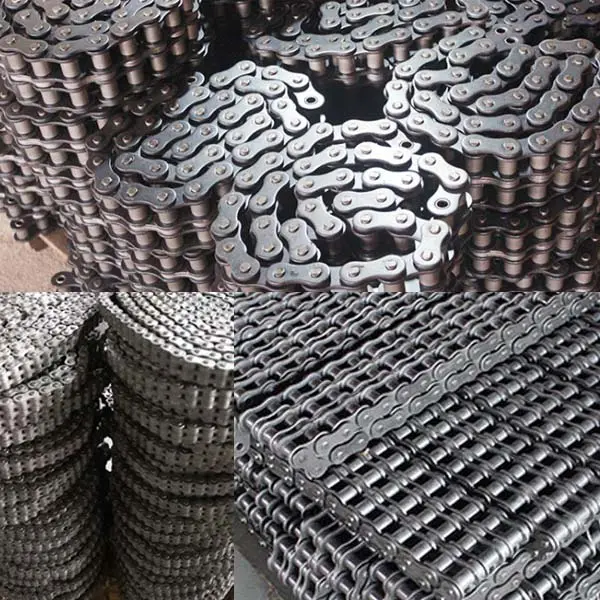
How does lubrication affect the performance of an industrial chain?
Lubrication plays a crucial role in the performance and longevity of an industrial chain. It provides a protective layer between the moving components of the chain, reducing friction and wear. Here are the key ways in which lubrication affects the performance of an industrial chain:
- Friction reduction: Lubrication creates a lubricating film that reduces friction between the chain’s pins, bushings, and rollers. This minimizes the resistance to movement and allows the chain to operate smoothly, reducing energy consumption and preventing excessive heat generation.
- Wear prevention: Lubrication forms a protective barrier that prevents direct metal-to-metal contact between the chain’s components. This reduces wear and extends the chain’s service life, minimizing the need for frequent replacements and costly downtime.
- Corrosion protection: Lubricants can have anti-corrosion additives that protect the chain from rust and corrosion caused by moisture, chemicals, or environmental factors. This is particularly important in applications exposed to harsh or corrosive environments.
- Noise reduction: Proper lubrication reduces the noise generated by the chain’s movement by minimizing metal-to-metal contact and damping vibrations. This is crucial in applications where noise levels need to be controlled, such as in residential areas or noise-sensitive environments.
- Temperature control: Lubrication helps dissipate heat generated during chain operation, preventing overheating and potential damage to the chain. It also provides thermal stability, allowing the chain to maintain its performance even in high-temperature environments.
- Contamination resistance: Lubrication helps repel and flush away contaminants such as dirt, dust, and debris that can accumulate on the chain. By keeping the chain clean, lubrication reduces the risk of abrasive wear and blockages that can hinder the chain’s operation.
Proper lubrication selection and maintenance are critical to ensure optimal performance and longevity of an industrial chain. It is important to follow the manufacturer’s recommendations regarding lubrication intervals, lubricant type, and application methods to achieve the best results.
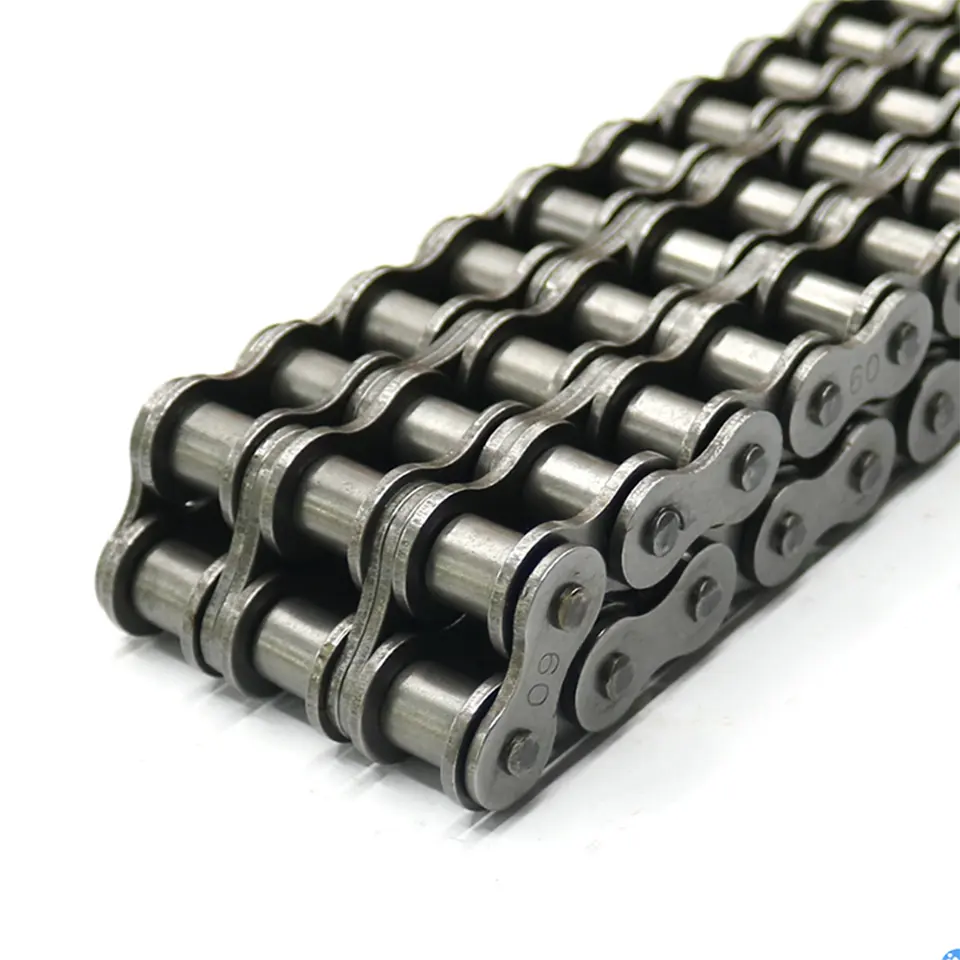
Can an industrial chain be used in high-temperature environments?
An industrial chain’s suitability for high-temperature environments depends on the specific chain type, material, and operating conditions. While some industrial chains are designed to withstand elevated temperatures, others may experience performance issues or damage when exposed to excessive heat.
Industrial chains used in high-temperature applications are typically constructed using materials that exhibit excellent heat resistance. Common materials include heat-resistant alloys, stainless steel, or specialized coatings that can withstand the elevated temperatures without compromising the chain’s strength or integrity.
When considering the use of an industrial chain in high-temperature environments, several factors should be taken into account:
- Temperature Range: Determine the maximum temperature the industrial chain will be exposed to. Different chain materials have different temperature limits, and it’s crucial to select a chain that can withstand the specific temperature range.
- Chain Type: Certain chain types, such as roller chains or silent chains, may be better suited for high-temperature applications than others. Consult the manufacturer’s guidelines and specifications to ensure the chosen chain type is suitable for the intended temperature range.
- Lubrication: Proper lubrication is essential in high-temperature environments to minimize friction, reduce wear, and ensure smooth chain operation. Special high-temperature lubricants or dry lubrication methods may be required to maintain chain performance under elevated temperatures.
- Heat Dissipation: Consider the ability of the industrial chain and the surrounding equipment to dissipate heat effectively. In some cases, additional cooling mechanisms or heat shielding may be necessary to protect the chain and prevent overheating.
- Application Requirements: Assess the specific demands of the application, such as load, speed, and cyclic operation, and ensure that the chosen industrial chain can handle these conditions at high temperatures.
It’s important to consult the manufacturer’s recommendations and technical documentation to verify the suitability of an industrial chain for high-temperature environments. Working with experienced engineers or industry experts can also provide valuable insights and guidance in selecting the appropriate chain for such applications.
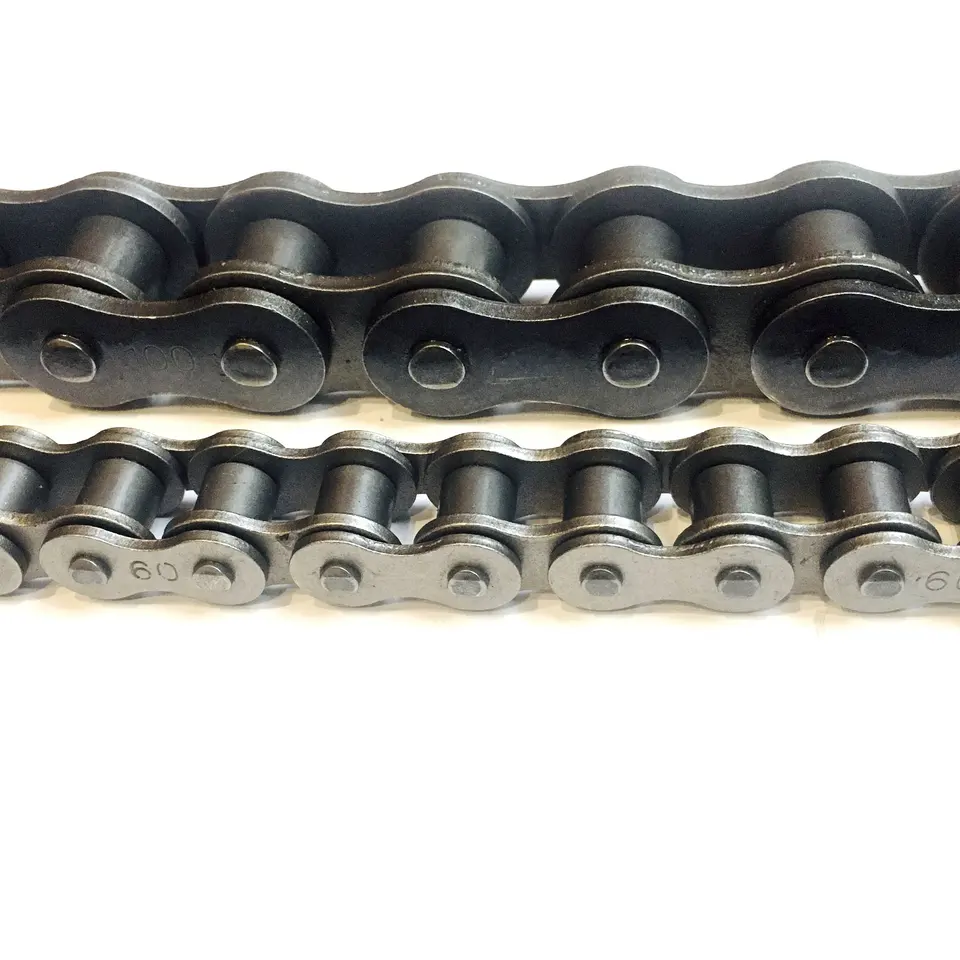
What materials are commonly used in industrial chains?
Industrial chains are constructed using various materials to meet specific application requirements. The choice of material depends on factors such as load capacity, environmental conditions, corrosion resistance, and temperature resistance. Here are some commonly used materials in industrial chains:
- Carbon Steel: Carbon steel is widely used in industrial chains due to its strength, durability, and affordability. It offers good resistance to wear and can handle moderate loads in standard operating conditions.
- Alloy Steel: Alloy steels are alloyed with other elements to enhance their mechanical properties, such as increased strength, hardness, and wear resistance. Alloy steel chains are commonly used in heavy-duty applications where higher load capacities and greater toughness are required.
- Stainless Steel: Stainless steel chains are highly corrosion-resistant and are suitable for applications where exposure to moisture, chemicals, or high temperatures is a concern. They offer excellent durability and can withstand harsh environments, making them ideal for industries such as food processing, pharmaceuticals, and marine applications.
- Plastic: Plastic chains, typically made from engineering-grade polymers such as acetal or nylon, are lightweight, corrosion-resistant, and offer low friction. They are often used in applications where reduced noise, lubrication-free operation, and resistance to chemicals or moisture are desired.
- Specialty Alloys: In specific industries or applications with extreme conditions, specialty alloys such as stainless steel alloys, nickel alloys, or heat-resistant alloys may be used to provide exceptional strength, corrosion resistance, or temperature resistance.
It’s important to consider the material compatibility with the environment, load requirements, and other factors when selecting an industrial chain for a particular application. Consulting with manufacturers or industry experts can help determine the most suitable material for specific industrial chain needs.


editor by CX 2024-01-10