Product Description
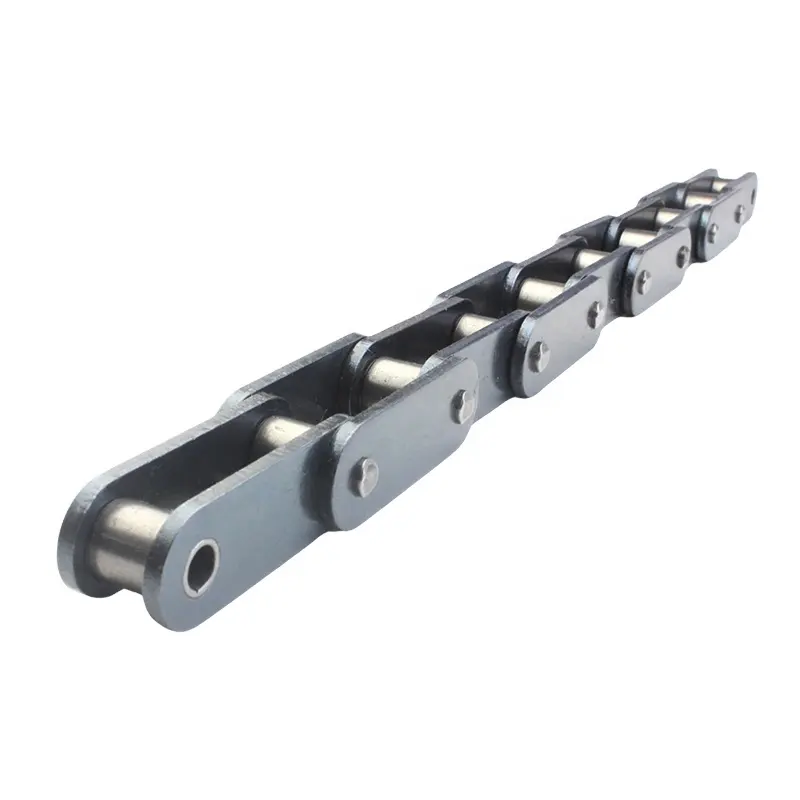
CZPT rollers enhance rotation on the bushing while reducing impact loads on the sprocket tooth during operation.
All components are heat treated to achieve maximum strength. All components are heat treated to achieve maximum strength.
Pre-loaded during the manufacturing process to minimize initial elongation.
Hot dipped lubrication ensures 100% lubrication of all chain components to extend wear life and reduce maintenance costs.
| ISO NO. | ANSI NO. | PITCH | ROLLER LINK WIDTH | ROLLER DIA | PIN | PLATE | MIN. TENSILE STRENGTH | AVG. TENSILE STRENGTH | MAX. ALLOWABLE LOAD | |||
| P | W | D | d | L | Lc | H | T | |||||
| mm | mm | mm | mm | mm | mm | mm | mm | kgf | kgf | kgf | ||
| C208A | C2040 | 25.40 | 7.85 | 7.95 | 3.98 | 17.80 | 21.00 | 12.00 | 1.50 | 1,420 | 1,950 | 280 |
| C208AL | C2042 | 25.40 | 7.85 | 15.88 | 3.98 | 17.80 | 21.00 | 12.00 | 1.50 | 1,420 | 1,950 | 280 |
| C210A | C2050 | 31.75 | 9.40 | 10.16 | 5.09 | 21.80 | 25.00 | 15.00 | 2.00 | 2,220 | 3,100 | 450 |
| C210AL | C2052 | 31.75 | 9.40 | 19.05 | 5.09 | 21.80 | 25.00 | 24.10 | 2.00 | 2,220 | 3,100 | 450 |
| C212 | C2060 | 38.10 | 12.58 | 11.91 | 5.96 | 26.90 | 31.00 | 30.10 | 2.35 | 3,190 | 4,200 | 640 |
| C212AL | C2062 | 38.10 | 12.58 | 22.23 | 5.96 | 26.90 | 31.00 | 36.20 | 2.35 | 3,190 | 4,200 | 640 |
| C216A | C2080 | 50.80 | 15.75 | 15.88 | 7.94 | 33.50 | 38.00 | 42.20 | 3.20 | 5,680 | 7,500 | 1,100 |
| C216AL | C2082 | 50.80 | 15.75 | 28.58 | 7.94 | 33.50 | 38.00 | 48.20 | 3.20 | 5,680 | 7,500 | 1,100 |
| C220A | C2100 | 63.50 | 18.90 | 19.05 | 9.54 | 41.10 | 47.00 | 54.30 | 4.00 | 8,870 | 12,100 | 1,900 |
| C220AL | C2102 | 63.50 | 18.90 | 39.67 | 9.54 | 41.10 | 47.00 | 60.30 | 4.00 | 8,870 | 12,100 | 1,900 |
| C224A | C2120 | 76.20 | 25.23 | 22.23 | 11.11 | 50.80 | 57.00 | 72.40 | 4.70 | 12,770 | 16,000 | 2,550 |
| C224AL | C2122 | 76.20 | 25.23 | 44.45 | 11.11 | 50.80 | 57.00 | 18.00 | 4.70 | 12,770 | 16,000 | 2,550 |
| Usage: | Transmission Chain, Conveyor Chain, Roller Chains |
|---|---|
| Material: | Alloy/Carbon Steel |
| Surface Treatment: | Polishing |
| Feature: | Heat Resistant |
| Chain Size: | 1"~3" |
| Structure: | Roller Chain |
| Samples: | US$ 10/Meter 1 Meter(Min.Order) | |
|---|
| Customization: | Available | Customized Request |
|---|
Can an industrial chain be used in corrosive or abrasive environments?
Yes, industrial chains can be used in corrosive or abrasive environments, but the selection of the appropriate chain material and proper maintenance practices are crucial for their reliable performance. Here are some considerations:
- Corrosive Environments: In corrosive environments where the chain is exposed to chemicals, moisture, or other corrosive substances, it is essential to choose a chain material that offers excellent corrosion resistance. Stainless steel chains or chains with corrosion-resistant coatings are commonly used in such applications. These materials provide protection against rust and corrosion.
- Abrasive Environments: In abrasive environments where the chain is subjected to wear and abrasion, it is important to select a chain with high hardness and resistance to wear. Chains made from materials like alloy steel or with hardened components are suitable for such conditions. Additionally, chains with specialized surface treatments or coatings can provide extra protection against abrasion.
- Maintenance Practices: Proper maintenance is essential to extend the lifespan of an industrial chain in corrosive or abrasive environments. Regular cleaning of the chain to remove contaminants and applying appropriate lubrication can help reduce friction, wear, and corrosion. Inspecting the chain regularly for signs of damage or wear and addressing any issues promptly can also prevent premature failure.
- Considerations for Material Selection: When choosing an industrial chain for corrosive or abrasive environments, consider factors such as the specific chemicals or substances present, temperature variations, humidity levels, and the intensity of abrasion. Consulting with chain manufacturers or industry experts can help in selecting the most suitable chain material and design for your specific application.
By selecting the right chain material, implementing proper maintenance practices, and considering the specific requirements of the corrosive or abrasive environment, industrial chains can effectively operate and withstand the challenges posed by such conditions.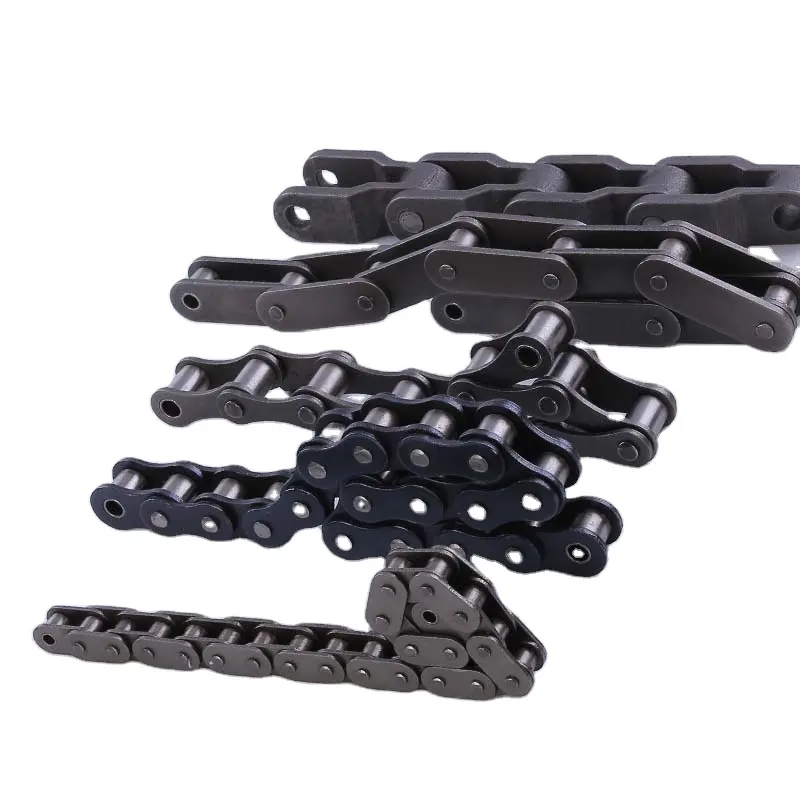
What are the industry standards and regulations for industrial chains?
There are several industry standards and regulations that govern the design, manufacturing, and use of industrial chains. These standards ensure safety, reliability, and performance consistency across different applications. Here are some prominent standards and regulations related to industrial chains:
– ISO 606: This standard specifies the design and dimensions of metric series roller chains used in industrial applications. It provides guidelines for chain pitch, roller diameter, and plate dimensions.
– ANSI/ASME B29.1: This American National Standard covers the design, dimensions, and interchangeability requirements for roller chains, including single, multiple, and double-pitch chains.
– ISO 10823: This standard focuses on the measurement and assessment of chain elongation during operation. It provides guidelines for evaluating the wear and elongation of roller chains.
– OSHA (Occupational Safety and Health Administration): OSHA sets safety standards and regulations to ensure a safe working environment. While it doesn’t specifically address industrial chains, it covers general machine guarding requirements that are applicable to chain-driven machinery.
– Machinery Directive (2006/42/EC): This European directive outlines the essential health and safety requirements for machinery and equipment. It covers aspects such as design, construction, and use of machinery, including industrial chains.
It’s important for manufacturers and users of industrial chains to be aware of these standards and regulations and ensure compliance. Adhering to these standards helps ensure the safety, reliability, and proper functioning of industrial chain systems in various industries.
How do you properly tension an industrial chain?
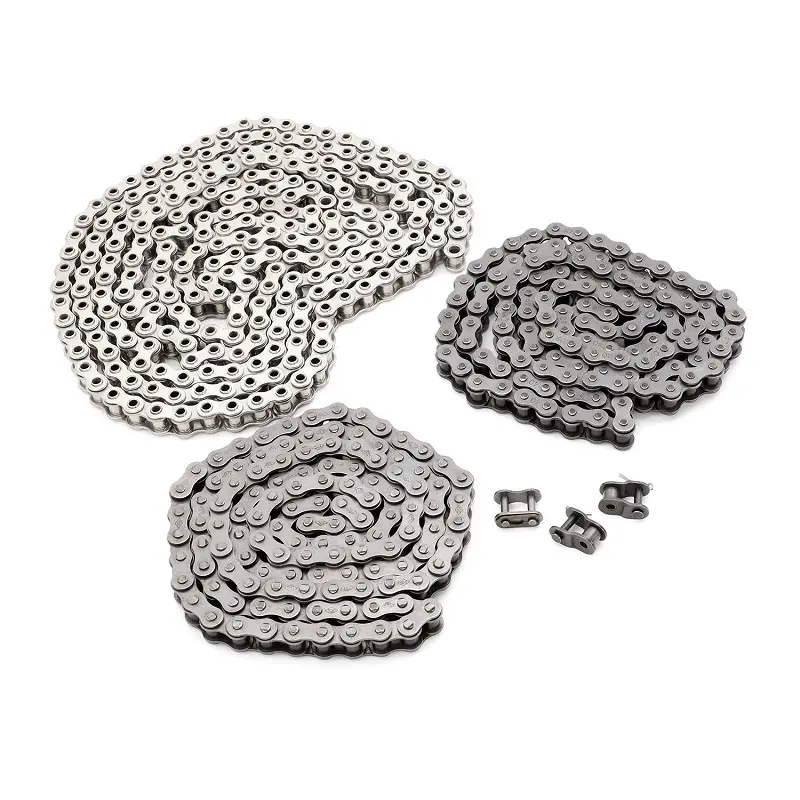
Tensioning an industrial chain is a critical step to ensure its proper functioning and longevity. Here are the steps to properly tension an industrial chain:
- 1. Check the manufacturer’s specifications: Refer to the manufacturer’s guidelines or technical documentation to determine the recommended tension range for your specific industrial chain.
- 2. Identify the tensioning points: Locate the appropriate tensioning points on the industrial chain system. These are typically found near the chain’s drive sprocket or pulley.
- 3. Loosen the tensioning device: If there is an existing tensioning device, such as an adjusting bolt or tensioning screw, loosen it to create slack in the chain.
- 4. Apply tension: Apply tension to the chain by either moving the tensioning device or adjusting the position of the chain’s drive sprocket or pulley. The goal is to remove any slack in the chain while maintaining it within the recommended tension range.
- 5. Verify tension: Once the tension is applied, check the tension using a tensioning tool or by applying a moderate force to the chain at a midpoint between the sprockets. The chain should have a slight amount of deflection but should not sag or be excessively tight.
- 6. Lock the tensioning device: Once the proper tension is achieved, secure the tensioning device in place to maintain the tension. This may involve tightening the adjusting bolt or screw or using a locking mechanism specific to your tensioning device.
- 7. Recheck and readjust: After a period of operation, recheck the chain’s tension to ensure it remains within the recommended range. If necessary, make further adjustments to maintain proper tension.
It’s important to follow the manufacturer’s recommendations and guidelines for tensioning procedures specific to your industrial chain. Proper tensioning ensures optimal performance, reduces wear and elongation, and prevents excessive stress on the chain and its components.


editor by CX 2023-08-23