Product Description
ISO Standard Short Pitch Precision Simplex Hardware Motorcycle Industrial Roller Chain
Product Description
1. Material: Alloy Steel
2. Surface Treatment: Shot peening
3. Application: The product is mainly applied in small lifting.
4. Chain No: 40-1, 50-1, 60-1, 80B-1, 10B-1, 12B-1, etc.
| Product name | ISO Standard Short Pitch Precision Simplex Hardware Motorcycle Industrial Roller Chain |
| Materials Available | 1. Stainless Steel: SS304, SS316, etc |
| 2. Alloy Steel: 45Mn, 42CrMo, 20CrMo, etc | |
| 3. OEM according to your request | |
| Surface Treatment | Shot peening, Blackening, Oxygenation, Polishing, Zinc-plated, Nickel-plated, Anodized, etc. |
| Characteristic | Fire Resistant, Oil Resistant, Heat Resistant |
| Design criterion | ISO DIN ANSI & Customer’s Drawing |
| Size | Customer’s Drawing & ISO standard |
| Package | Wooden Case / Container and pallet, or made-to-order |
| Certificate | ISO9001: 2008 |
| Advantage | Firtsr quality, Best service, Competitive price, Fast delivery |
| Delivery Time | 20 days for samples. 45 days for official order. |
Detailed Photos
View more products,please click here…
Company Profile
| Usage: | Transmission Chain |
|---|---|
| Material: | Alloy |
| Surface Treatment: | Oil Blooming |
| Feature: | Oil Resistant |
| Chain Size: | 40-1, 08b-1 |
| Structure: | Roller Chain |
| Samples: | US$ 0/Meter 1 Meter(Min.Order) | |
|---|
| Customization: | Available | Customized Request |
|---|
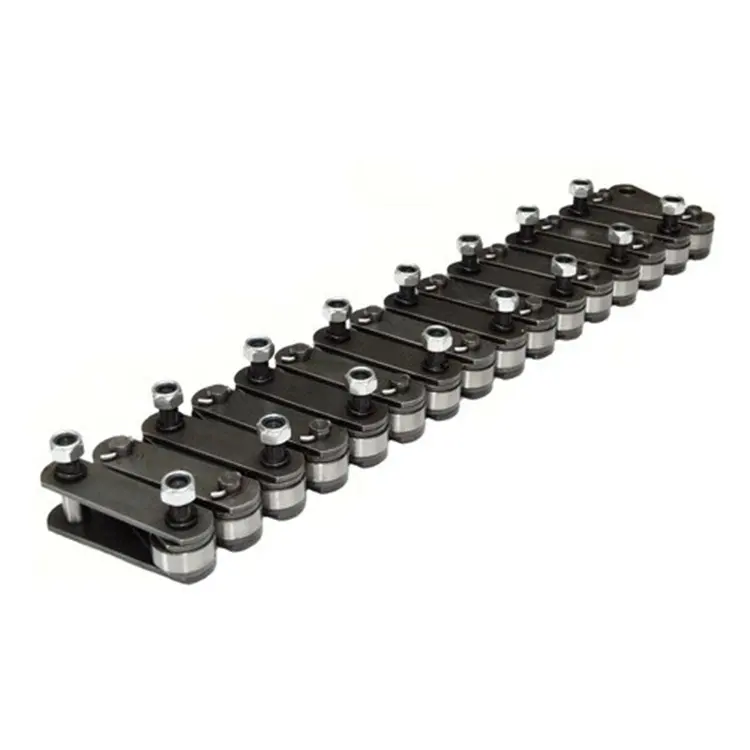
What are the design considerations for a long-span industrial chain conveyor?
Designing a long-span industrial chain conveyor requires careful consideration of several factors to ensure optimal performance and reliability. Here are some key design considerations:
- Chain selection: Choose a chain that is specifically designed for long-span conveyors. Consider factors such as chain strength, wear resistance, and fatigue resistance to handle the load and stress over the extended distance.
- Tensioning system: Implement an effective tensioning system to maintain proper tension in the chain throughout the conveyor’s length. This helps prevent chain slack and ensures smooth operation.
- Support structure: The support structure should be robust and capable of handling the weight of the conveyor and the conveyed materials over the long span. Consider factors such as the material used, structural design, and stability.
- Drive system: The drive system should be appropriately sized and positioned to ensure consistent and efficient power transmission along the entire length of the conveyor. Consider factors such as motor power, gear ratio, and drive unit placement.
- Guiding system: Implement an effective guiding system to keep the chain aligned and prevent deviation or misalignment. This helps ensure smooth and reliable operation, especially over long distances.
- Material handling: Consider the characteristics of the conveyed material, such as size, weight, and flow rate, to determine the appropriate design features such as conveyor width, chain speed, and loading/unloading mechanisms.
- Safety features: Incorporate necessary safety features such as emergency stops, guards, and interlocks to ensure operator safety and prevent accidents.
- Maintenance access: Design the conveyor with easy access points for maintenance and inspection. This allows for routine maintenance tasks, such as chain lubrication and cleaning, to be performed efficiently.
- Environmental conditions: Consider the environmental factors that may impact the conveyor’s performance, such as temperature, humidity, and exposure to contaminants. Choose materials and components that can withstand these conditions.
- Compliance with regulations: Ensure that the design of the long-span industrial chain conveyor complies with relevant safety and industry regulations.
By carefully considering these design considerations, a long-span industrial chain conveyor can be designed to meet the specific requirements of the application, providing reliable and efficient material handling over extended distances.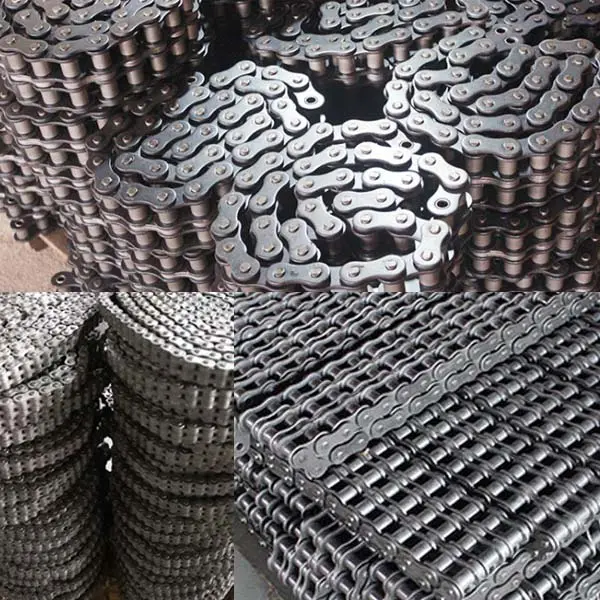
What are the noise levels associated with industrial chains?
The noise levels associated with industrial chains can vary depending on several factors, including chain design, lubrication, and operating conditions.
Chain Design: The design of the industrial chain, including the type of chain and its construction, can impact noise levels. Chains with smoother surfaces and precision manufacturing techniques tend to produce less noise.
Lubrication: Proper lubrication of the chain is essential for reducing noise. Applying a suitable lubricant to the chain can minimize friction and vibration, resulting in quieter operation.
Operating Conditions: The operating conditions of the industrial chain, such as the load, speed, and tension, can also affect noise levels. Higher loads and speeds, as well as inadequate tensioning, can increase noise levels.
Overall, it is important to consider noise levels when using industrial chains, particularly in noise-sensitive environments. Implementing proper chain design, regular lubrication, and maintaining appropriate operating conditions can help minimize noise and create a more comfortable work environment.
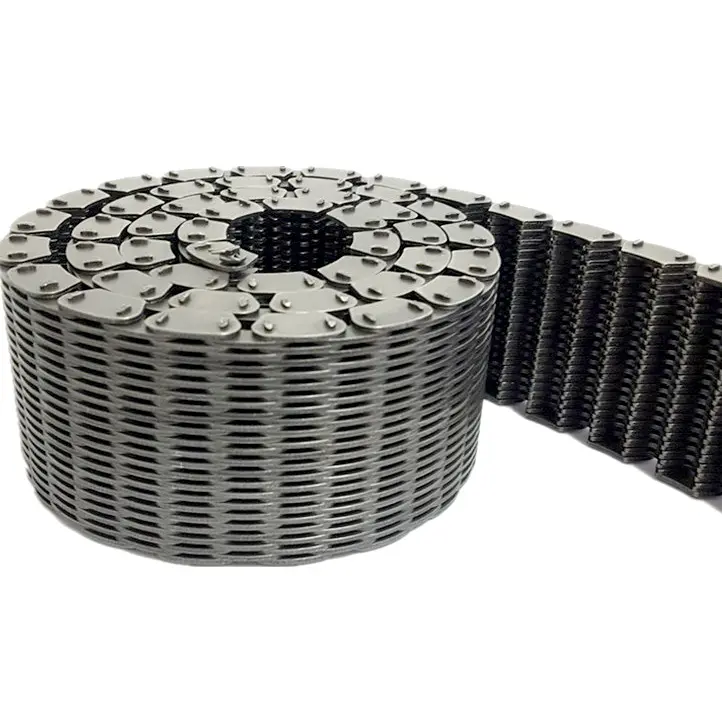
How can you prevent industrial chain failures?
Preventing industrial chain failures requires proactive maintenance and proper care. Here are some key steps to prevent chain failures:
- Regular Inspection: Conduct regular inspections of the chain, sprockets, and other components to identify signs of wear, damage, or misalignment. Inspect for proper lubrication and tension as well.
- Lubrication: Ensure proper lubrication of the chain to reduce friction, wear, and corrosion. Use the recommended lubricant and follow the manufacturer’s guidelines for lubrication intervals.
- Tension Adjustment: Maintain proper chain tension to prevent excessive slack or tightness. Improper tension can cause accelerated wear and premature failure. Refer to the manufacturer’s specifications for correct tensioning procedures.
- Sprocket Alignment: Ensure proper alignment of the sprockets to prevent excessive wear on the chain. Misalignment can lead to uneven loading and premature failure. Align sprockets according to the manufacturer’s recommendations.
- Replacement of Worn Components: Monitor the chain for signs of wear and replace worn components, such as chains, sprockets, and bearings, promptly. Continuing to operate with worn components can lead to chain failure and potential damage to the machinery.
- Proper Storage: Store spare chains and components in a clean and dry environment to prevent corrosion and damage. Protect them from exposure to moisture, chemicals, and contaminants.
- Training and Education: Ensure that operators and maintenance personnel are trained in proper chain handling, installation, and maintenance techniques. Knowledgeable personnel can identify potential issues and take appropriate preventive measures.
By following these preventive measures, the risk of industrial chain failures can be significantly reduced. Regular maintenance, proper lubrication, and timely replacement of worn components are critical for ensuring the reliable operation and longevity of the industrial chain.


editor by CX 2023-08-18